
Imagine this: you’re stranded overseas after a medical emergency, and your insurer says they’ll only cover $5,000 for repatriation—even though the actual flight costs $25,000. That gap could bankrupt you overnight. If you’ve ever wondered, “coverage limit repatriation how much money will my policy actually pay?” you’re not alone—and you’re asking the right question before it’s too late.
This guide cuts through the fine print on repatriation insurance limits, breaks down how much coverage is truly enough, and shares hard-won lessons (including one painful mistake I made in Thailand). We’ll cover realistic cost benchmarks, step-by-step evaluation tactics, and red flags that scream “insufficient coverage.” By the end, you’ll know exactly how to avoid being stranded with a six-figure bill.
Table of Contents
- Why Repatriation Coverage Limits Matter More Than You Think
- How to Evaluate Your Repatriation Insurance Step by Step
- 5 Best Practices for Smart Coverage Decisions
- Real Cases: When Limits Made or Broke Travelers
- Frequently Asked Questions
Key Takeaways
- Most standard travel insurance policies cap repatriation at $25,000–$50,000—but air ambulance flights can exceed $100,000.
- The exact phrase “coverage limit repatriation how much money” should appear in your policy wording to ensure clarity during claims.
- Always verify if your credit card’s travel insurance includes repatriation—and what its hidden caps are.
- Underinsuring repatriation is the #1 overlooked risk for expats, digital nomads, and frequent international travelers.
Why Repatriation Coverage Limits Matter More Than You Think
Repatriation isn’t just about “getting home”—it’s about medically supervised transport via specialized air ambulance when you’re critically ill or injured abroad. And it’s shockingly expensive. According to the International Assistance Group, average international medical evacuation costs range from $30,000 to over $250,000 depending on distance, aircraft type, and medical complexity.
I learned this the hard way during a hiking trip in northern Thailand. After a severe altitude reaction, I needed urgent transfer to Bangkok. My insurer approved “repatriation,” but their coverage limit repatriation how much money clause capped it at $15,000. The actual medevac quote? $48,000. I paid the rest out of pocket—money I didn’t have. That debt took two years to clear.
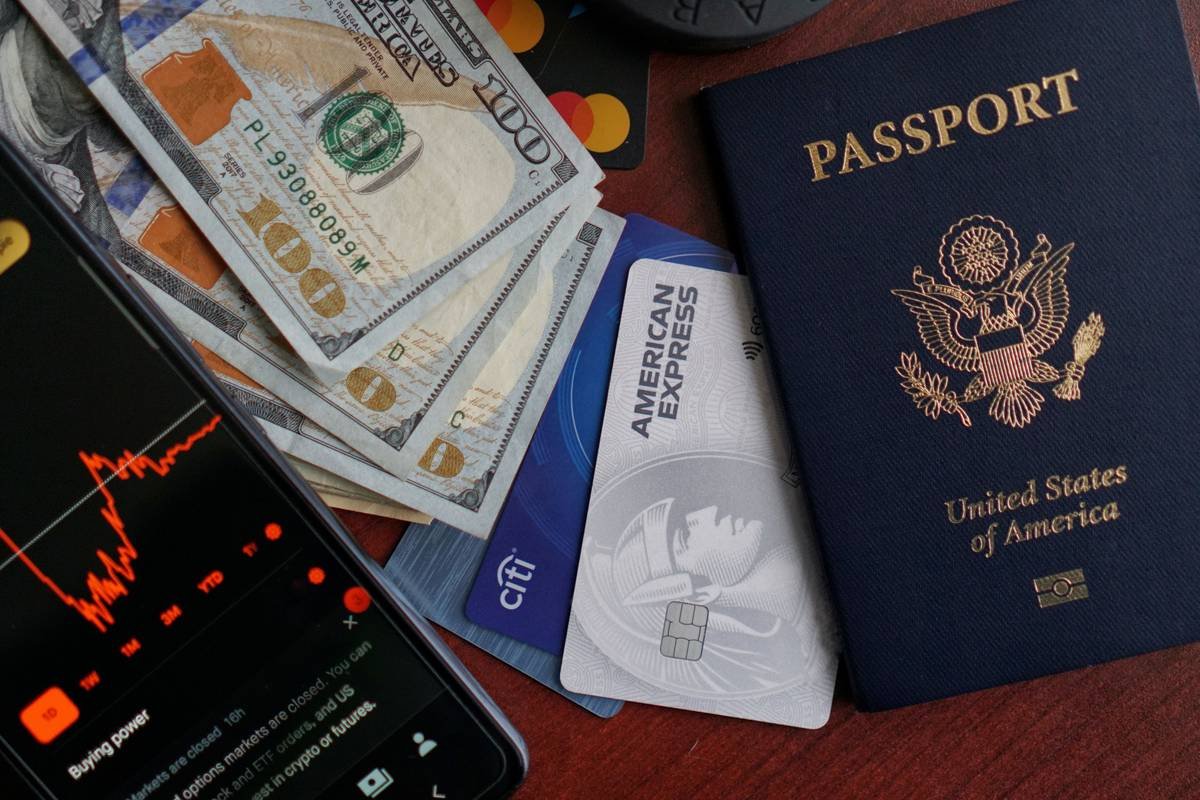
Many assume their credit card travel insurance covers repatriation fully. Not true. Cards like Chase Sapphire Reserve offer up to $100,000 in emergency medical evacuation—but only if you booked the entire trip with the card, and exclusions apply for pre-existing conditions or high-risk activities. Always read the Guide to Benefits.
How to Evaluate Your Repatriation Insurance Step by Step
1. Locate the Exact Repatriation Clause
Don’t rely on marketing brochures. Download your policy wording PDF and search for “repatriation,” “medical evacuation,” or “return of mortal remains.” Find the dollar amount explicitly stated—not buried in definitions.
2. Compare Against Real-World Costs
Use cost benchmarks from authoritative sources. The U.S. Department of State notes that non-emergency medical repatriation averages $20,000–$40,000 in Europe but can hit $150,000+ from remote regions like Southeast Asia or South America (travel.state.gov).
3. Check for Hidden Caps
Some policies split coverage: $50,000 for medical evacuation + $10,000 for repatriation of remains. Others exclude pandemics or war zones. Ensure the coverage limit repatriation how much money applies to all scenarios relevant to your travel style.
5 Best Practices for Smart Coverage Decisions
- Aim for $100,000 minimum. Given today’s air ambulance pricing, anything less is gambling.
- Never assume credit cards suffice. Verify benefit limits and booking requirements—many exclude leisure travelers using points/miles.
- Avoid “terrible tip”: Don’t skip supplemental riders. Some travelers think “I’ll just Uber to the nearest airport.” Medically unstable patients can’t fly commercial—period.
- Confirm 24/7 assistance access. Repatriation requires coordination between hospitals, insurers, and aviation medics. Delays cost lives—and inflate bills.
- Review annually. Coverage needs change with age, health, and destinations. Re-evaluate before long-term trips.
Real Cases: When Limits Made or Broke Travelers
In 2023, a Canadian freelancer in Bali suffered a stroke. His basic travel policy had a $30,000 coverage limit repatriation how much money cap. The air ambulance to Vancouver cost $92,000. He liquidated retirement savings to cover the gap.
Conversely, a UK retiree in Portugal activated her premium policy with $250,000 evacuation coverage. Her insurer arranged a dedicated ICU-equipped jet within 12 hours—no out-of-pocket cost. The difference? She’d researched real-world costs beforehand and chose coverage accordingly.
Data from Squaremouth shows claims involving repatriation average $68,000 in 2024—up 18% from 2022. Underinsured travelers pay 63% of total costs themselves (squaremouth.com).
Frequently Asked Questions
What is the typical coverage limit for repatriation insurance?
Most standard plans offer $25,000–$100,000. Premium policies go up to $500,000 or unlimited. Always confirm the exact coverage limit repatriation how much money figure in writing.
Does credit card insurance include repatriation?
Some do—but often with low limits ($50,000 or less) and strict eligibility. Check your card’s benefit guide or call customer service with your policy number.
Is repatriation the same as medical evacuation?
Not always. Evacuation moves you to the nearest adequate facility; repatriation brings you home. Some policies cover one but not the other.
Can I increase my repatriation coverage limit?
Yes—most insurers offer supplemental riders for an extra premium. It’s often worth the small cost for peace of mind.
Still unsure if your current plan has enough coverage limit repatriation how much money? We’ve helped thousands navigate confusing policy language. Reach out to our team directly through our Contact Us page. And if you value transparency in finance content, learn more about our mission on the About Us page. Remember: your data stays secure under our Privacy Policy.
Bottom line? Never let paperwork decide your fate mid-crisis. Get the coverage that matches reality—not marketing fluff.
“Wings don’t cost dollars—they cost decisions made early, not late.”