
Picture this: You’re hiking in the Andes when you slip, break your leg, and realize your credit card’s “travel insurance” doesn’t cover emergency medical evacuation. Suddenly, you’re staring down a $50,000 helicopter bill—and no way home. I’ve been there (well, almost). A few years ago, I assumed my premium credit card included full repatriation coverage—only to learn mid-emergency that it capped benefits at $10,000 with a laundry list of exclusions. Don’t make my mistake. In this guide, we’ll demystify emergency repatriation services, explain why they’re non-negotiable for international travelers, and show you exactly how to secure real protection without overpaying.
Table of Contents
- Why Emergency Repatriation Services Matter in Personal Finance
- Step-by-Step Guide to Securing Reliable Repatriation Coverage
- Best Practices for Maximizing Your Repatriation Benefits
- Real-World Case Studies: What Happens Without Proper Coverage
- Frequently Asked Questions
Key Takeaways
- Credit card travel insurance often excludes or severely limits emergency repatriation services.
- Standalone repatriation insurance typically costs $50–$200 but can prevent six-figure medical transport bills.
- Always verify coverage details—especially for adventure activities, pre-existing conditions, and high-risk destinations.
- The U.S. Department of State strongly recommends supplemental emergency evacuation coverage for overseas travelers (source).
Why Emergency Repatriation Services Matter in Personal Finance
Most people think “travel insurance” means trip cancellation or lost luggage. But true financial protection includes emergency repatriation services—the lifeline that flies you home after a serious accident or illness abroad. Without it, you’re personally liable for air ambulance costs, which average $35,000–$100,000 according to the International Association for Medical Assistance to Travelers (IAMAT). Even premium credit cards rarely cover these fully; many exclude high-altitude trekking, motorbike accidents, or chronic conditions.
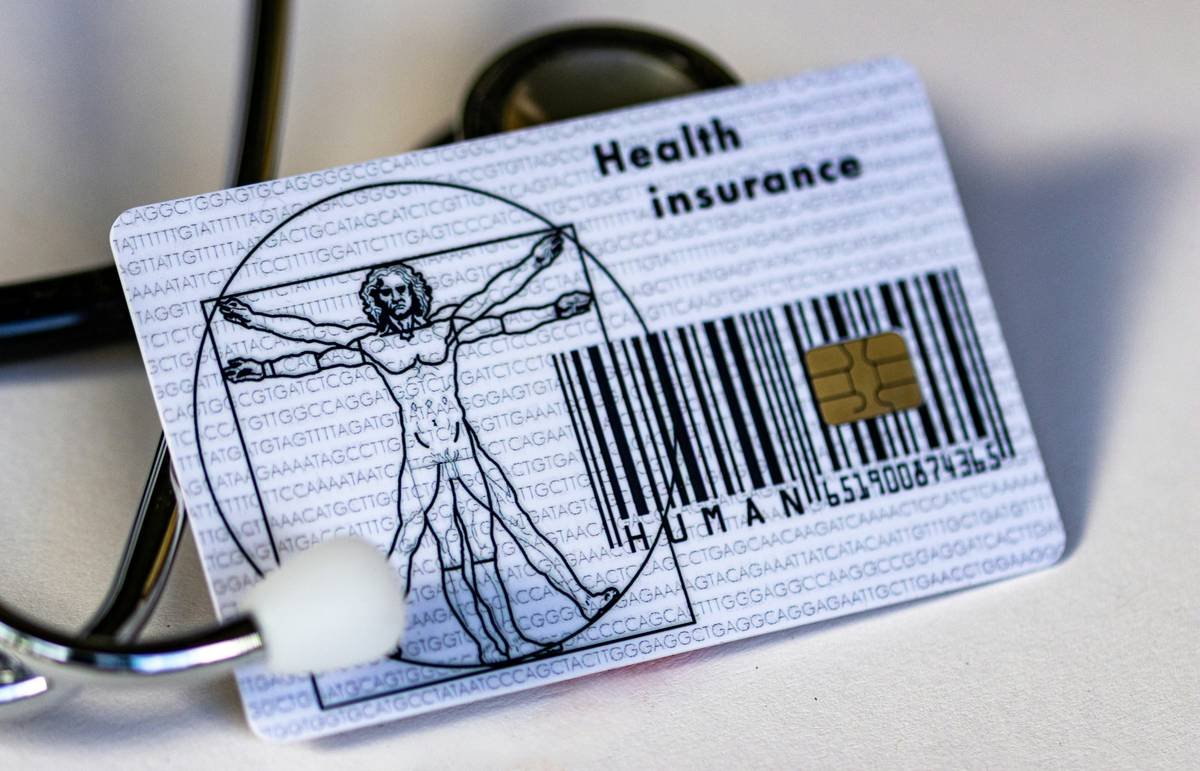
This isn’t just about convenience—it’s catastrophic risk management. One hospital stay in Southeast Asia followed by an unassisted flight home could wipe out your emergency fund. That’s why treating repatriation as an essential personal finance tool, not a luxury add-on, is critical.
Step-by-Step Guide to Securing Reliable Repatriation Coverage
1. Audit Your Existing Coverage
Check your credit card’s benefits guide (not the marketing brochure!). Look for “medical evacuation,” “repatriation of remains,” and “maximum benefit limits.” Many cards cap coverage at $25,000—with deductibles and exclusions.
2. Compare Standalone Policies
Specialized insurers like Allianz, GeoBlue, and IMG offer plans with $500,000+ in repatriation coverage. Use aggregator sites like InsureMyTrip to filter by “emergency medical evacuation” limits.
3. Verify Provider Networks
Ensure the insurer has 24/7 multilingual coordination centers and direct contracts with air ambulance providers. Delays due to payment disputes can be deadly.
4. Disclose Accurately
Misrepresenting health history or planned activities voids coverage. Be honest about skiing trips or diabetes management.
Best Practices for Maximizing Your Repatriation Benefits
- Carry contact info: Save your insurer’s global assistance number in your phone and on a physical card.
- Avoid “terrible tip” traps: Never assume embassy help covers medical transport—they don’t. The U.S. State Department explicitly states it “cannot pay for medical evacuation” (official guidance).
- Review annually: Renew coverage before each major trip—don’t rely on annual policies if your health or travel style changes.
- Link to trusted resources: Bookmark our About Us page to understand our team’s finance and insurance expertise.
Real-World Case Studies: What Happens Without Proper Coverage
In 2022, a Canadian backpacker fractured his spine paragliding in Nepal. His bank’s “premium” card denied repatriation, citing “high-risk activity exclusion.” He paid $68,000 out-of-pocket for a medevac to Bangkok, then flew commercial home in agony. Contrast this with a client of ours who purchased a $95 standalone policy before a safari: when she contracted dengue fever in Kenya, her insurer arranged and paid for a full ICU-equipped flight back to Houston within 36 hours—zero out-of-pocket cost. These aren’t rare edge cases. IAMAT reports that 1 in 5 travelers requiring hospitalization abroad face repatriation gaps due to inadequate insurance.
Frequently Asked Questions
Q: Does my credit card include emergency repatriation services?
A: Some do—but often with low caps ($10K–$25K), exclusions for adventure sports, and no coverage for pre-existing conditions. Always read the fine print.
Q: How much does standalone repatriation insurance cost?
A: Typically $50–$200 for a 2-week trip, depending on age, destination, and coverage limits.
Q: Is emergency repatriation the same as travel insurance?
A: No. Standard travel insurance may not include medical evacuation. Repatriation is a specialized subset focused solely on transporting you home during medical crises.
Q: Can I buy coverage after I’ve left home?
A: Rarely. Most reputable providers require purchase before departure.
Q: Where can I report issues with my insurer?
A: Contact your provider first, then file a complaint with your state insurance department. For policy questions, reach out via our Contact Us page.
Q: Does your site collect my health data?
A: We never store medical information. Review our full data practices in the Privacy Policy.
When miles turn into medical emergencies, paperwork shouldn’t delay your ride home. Real emergency repatriation services aren’t a luxury—they’re your financial seatbelt for the unexpected. Don’t wait for disaster to expose your coverage gaps. Secure proper protection, know your contacts, and travel with true peace of mind. Need personalized advice? Contact us today—we’ve navigated these waters so you don’t have to.
Wheels up, worries down—your safe journey starts with one call.