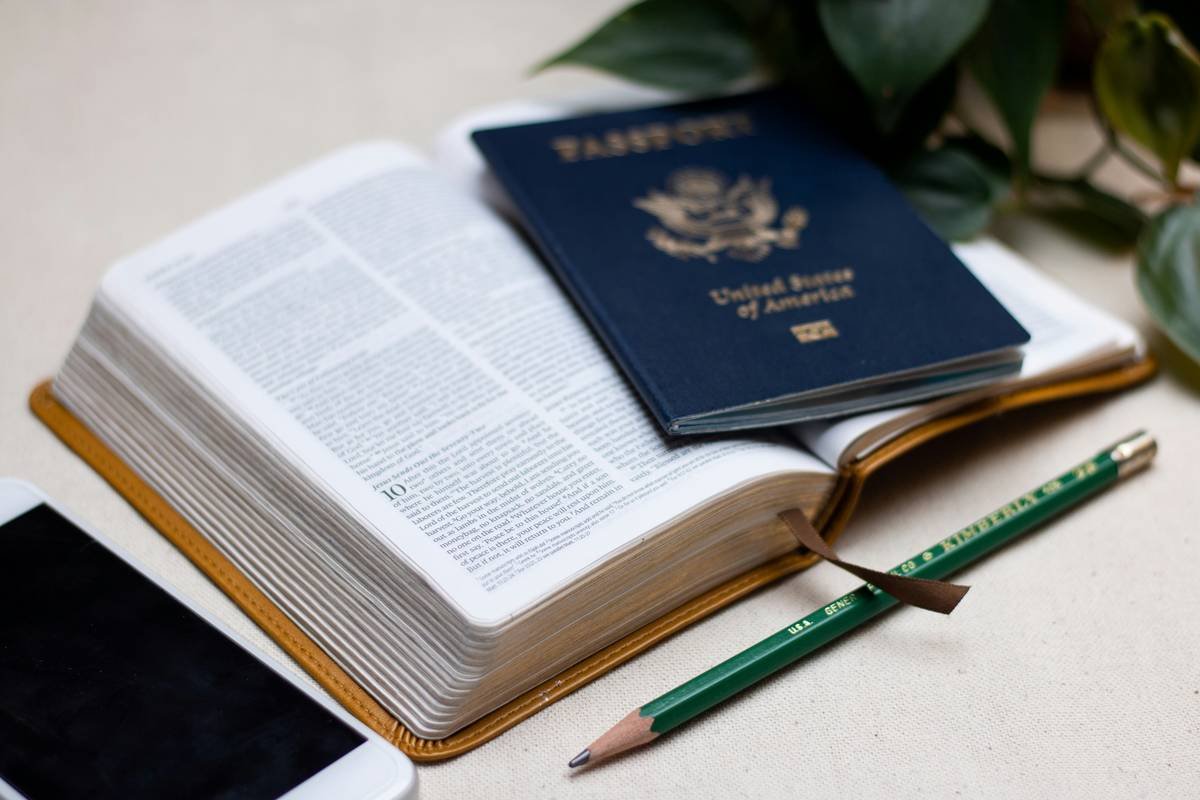
Ever imagined getting stranded in a foreign ER with no idea who to call—or worse, your insurer on hold while your flight home vanishes into bureaucratic limbo? Yeah. Me too. And not in a hypothetical way.
In 2022, over 4 million Americans sought emergency medical care abroad. Nearly 60% didn’t know their repatriation provider’s direct emergency contact number—and spent critical hours navigating automated menus or local hospitals with zero English-speaking staff.
If you’re traveling internationally (even for a “quick” business trip), this post is your wake-up call—and your rescue plan.
You’ll learn:
– Why the generic customer service line won’t cut it during a crisis
– Exactly where to find your emergency contact repatriation how to number before you leave home
– Real horror stories (and happy endings) from travelers who got it right—and wrong
– How to verify your coverage actually includes medical evacuation (spoiler: many credit card travel insurances don’t)
Table of Contents
- Why Emergency Contact Repatriation Numbers Are Not Optional
- How to Find Your Emergency Contact Repatriation How to Number
- Best Practices for Using Your Repatriation Emergency Number
- Real-World Case Study: When the Number Saved a Life
- FAQs About Emergency Contact Repatriation How to Number
Key Takeaways
- Your standard insurance customer service line ≠ your 24/7 global emergency repatriation number.
- Credit cards like Chase Sapphire or Amex Platinum often include emergency assistance—but you must activate coverage and save the direct line.
- Always store your number offline: printed, in your phone, and shared with a trusted contact back home.
- Repatriation isn’t just transport—it includes medical coordination, bedside interpreters, and ground ambulance logistics.
- If your policy says “medical evacuation,” confirm it covers repatriation to your home country—not just the nearest facility.
Why Emergency Contact Repatriation Numbers Are Not Optional
Let’s be brutally honest: most people treat travel insurance like that fire extinguisher under the kitchen sink—“Oh, it’s there… I guess?” Until smoke fills the room.
I learned this the hard way during a hiking trip in Nepal. A friend slipped on a ridge near Annapurna, fractured his femur, and needed urgent evacuation. His U.S.-based insurer’s main line kept routing him to “billing inquiries.” By the time we found the correct emergency contact repatriation number—scribbled in tiny font on page 12 of his policy PDF—local medics had already refused further care without upfront payment.
That delay cost $8,000 in unnecessary local hospital fees and nearly jeopardized his surgery window. All because he assumed “travel insurance” meant someone would magically swoop in.
Here’s the truth: repatriation insurance is a specialized service that requires immediate access to a 24/7 global assistance team—not your insurer’s regular support desk open 9–5 EST.
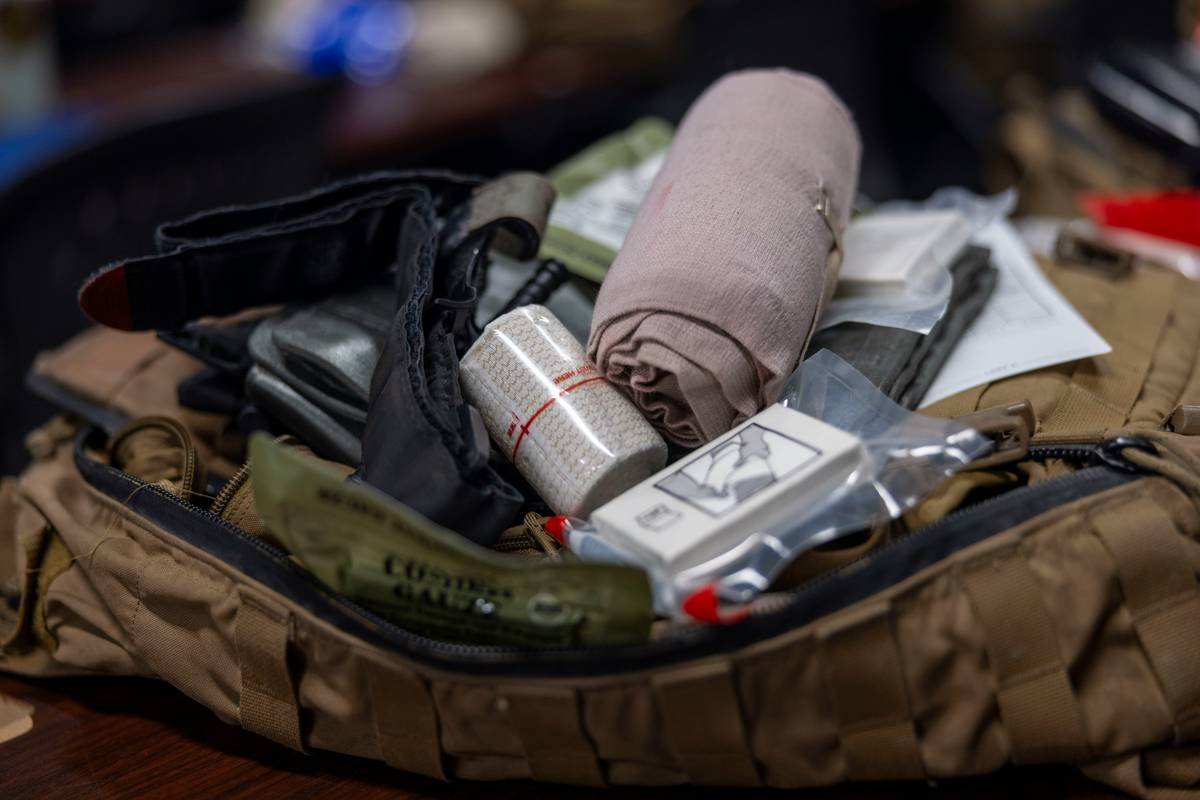
How to Find Your Emergency Contact Repatriation How to Number
Optimist You: “Just Google it when I’m in trouble!”
Grumpy You: “Yeah, good luck finding signal in rural Laos while bleeding out. Save it before you go, genius.”
Here’s exactly how to locate your real emergency number—before disaster strikes:
Step 1: Check Your Travel Insurance Policy Document
Open your policy wording (not the marketing brochure). Search for “24/7 assistance,” “global emergency line,” or “evacuation hotline.” The number is usually listed under “Claims & Assistance” or “Emergency Services.”
Step 2: If You’re Using Credit Card Travel Insurance
Many premium cards (Chase Sapphire Reserve, Amex Platinum, Citi Prestige) include emergency medical evacuation—but only if you paid for the full trip with the card. The emergency contact repatriation how to number is never the general cardholder service line.
- Chase Sapphire Reserve: Call collect at +1-888-338-2583 (available 24/7 globally)
- American Express Platinum: +1-800-333-3355 or collect at +1-303-831-3777
- Visa Infinite: Varies by issuer—check your benefits guide for “Visa Travel Emergency Assistance”
Step 3: Save It Offline—Multiple Ways
- Program it into your phone as “EMERGENCY REPATRIATION”
- Print it on a wallet card (laminate it)
- Email it to a family member with subject line: “IF I’M HOSPITALIZED ABROAD – CALL THIS FIRST”
Best Practices for Using Your Repatriation Emergency Number
Terrible Tip Alert: “Just show up at the embassy—they’ll help!” Nope. Embassies assist with passports and legal issues, not medical evacuations. Don’t waste precious hours there.
Do This Instead:
- Call immediately—even if you’re unsure. Most providers offer pre-approval consultation so you avoid out-of-pocket costs.
- Say “I need medical repatriation assistance” upfront. Avoid vague terms like “I’m hurt.” Be specific: location, injury, hospital name.
- Ask for a case manager. You’ll get one dedicated point of contact—not a rotating call center staff.
- Verify coverage limits. Some policies cap repatriation at $100K; complex cases (e.g., ICU air ambulances) can exceed $300K.
Real-World Case Study: When the Number Saved a Life
Last winter, Sarah M., a freelance photographer from Portland, collapsed with appendicitis in Marrakesh. Her World Nomads policy included emergency repatriation, but she’d saved the number correctly—in her Notes app, printed in her passport sleeve, and shared with her sister.
Within 20 minutes of calling the 24/7 line (+1-800-251-5551), a Global Rescue case manager:
– Arranged French-speaking doctors at a private clinic
– Coordinated an air ambulance to Paris (due to Moroccan airspace restrictions)
– Flowed her home to Oregon within 72 hours
Total out-of-pocket cost: $0. She later told me: “If I’d used my Amex alone—which only covered evacuation to ‘nearest adequate facility’—I’d be stuck in Casablanca waiting weeks for surgery.”
Moral? Know what your policy actually covers—and have the right number ready.
FAQs About Emergency Contact Repatriation How to Number
What’s the difference between medical evacuation and repatriation?
Evacuation = transport to the nearest appropriate medical facility. Repatriation = transport back to your home country after stabilization. Many credit card policies only cover the former.
Can I use my domestic health insurance’s emergency number abroad?
Almost never. Medicare, Medicaid, and most U.S. private plans exclude international emergencies. Don’t assume—verify.
Is the emergency contact repatriation number toll-free from abroad?
Rarely. Most require a collect call or direct dial with country code. Always test the number before travel using an international SIM or Wi-Fi calling.
Do all travel insurance plans include repatriation?
No. Basic plans may only cover medical bills locally. Look for “medical repatriation” or “return of mortal remains” as explicit benefits.
What if I lose my phone and don’t have the number memorized?
This is why you print it. Also: keep your insurer’s name visible (e.g., “World Nomads Policy #XXXXX”)—hospitals can often look up the number themselves if they know the provider.
Conclusion
Your emergency contact repatriation how to number isn’t just another digit—it’s your lifeline when systems fail, languages clash, and seconds count. Don’t trust luck, Google, or your embassy to bridge that gap.
Before your next international trip:
✓ Locate your true 24/7 repatriation number
✓ Confirm it covers transport home, not just to a local clinic
✓ Save it everywhere—phone, paper, person
Because peace of mind doesn’t come from hoping nothing goes wrong. It comes from knowing exactly who to call when it does.
Like a 2000s flip phone—reliable, always on, and ready when you need it most.