Ever been stuck in a foreign country with an emergency and no clue how to get back home? Yeah, us too. It’s stressful, expensive, and frankly, it feels like your laptop fan during a 4K render—whirrrr. But what if there was a way to prepare for this nightmare scenario? Enter repatriation insurance and understanding the repatriation procedure abroad. In this guide, you’ll learn why repatriation matters, how to navigate its steps, the best practices to follow, and even some quirky tips along the way.
Table of Contents
- Key Takeaways
- Why Repatriation Matters More Than You Think
- Step-by-Step Guide to the Repatriation Procedure Abroad
- Tips for Choosing the Right Insurance Plan
- Real-Life Examples: What Went Right (and Wrong)
- FAQs About Repatriation Procedure Abroad
Key Takeaways
- The repatriation procedure abroad involves bringing someone back to their home country due to medical emergencies or other crises.
- Repatriation insurance is essential but often overlooked when traveling internationally.
- Poor planning can lead to financial chaos—don’t skip reading the fine print!
- Credit cards may offer coverage, but they’re rarely enough on their own.
- This guide breaks down actionable steps and real-world examples to help you prepare effectively.
Why Repatriation Matters More Than You Think
We once met someone who ignored buying travel insurance because “nothing bad ever happens.” Spoiler alert: something did happen. She had to figure out the repatriation procedure abroad herself after falling ill overseas. Between hospital bills, flight cancellations, and embassy calls, she spent months untangling the mess—and thousands out of pocket.
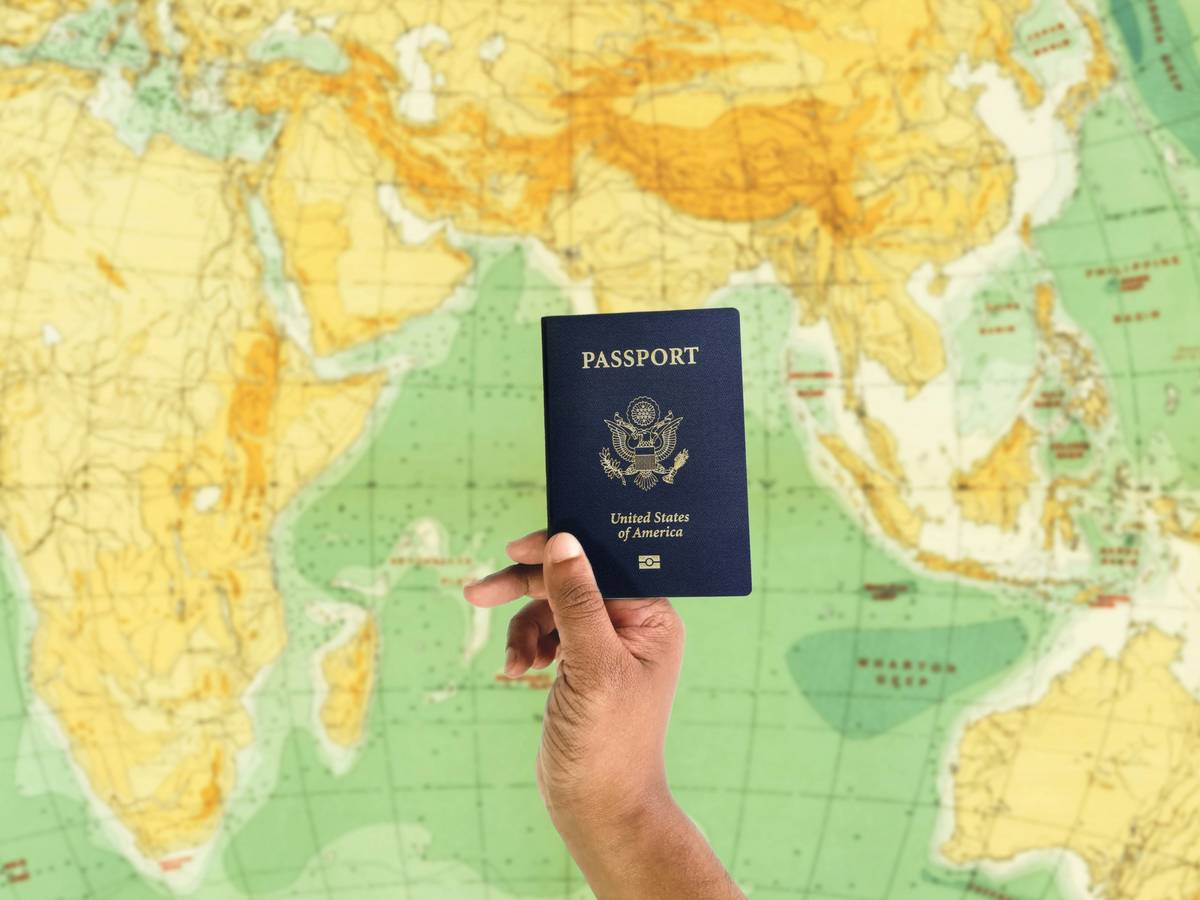
This isn’t just anecdotal; stats show that nearly 60% of travelers don’t have adequate coverage for international trips. The result? Financial strain and logistical nightmares. Without proper prep, navigating the repatriation procedure abroad becomes a Herculean task.
Optimist You:
“Hey, I’m sure I’d figure it out!”
Grumpy You:
“Ugh, yeah, good luck Googling ‘how to evacuate myself from Paris’ at midnight.”
Step-by-Step Guide to the Repatriation Procedure Abroad
Let’s break down exactly how to handle the repatriation procedure abroad:
1. Contact Your Embassy First
Embassies exist to assist citizens abroad—but only if you contact them promptly. Their staff can guide you through official channels and sometimes even arrange transportation.
2. Notify Your Insurance Provider
If you’ve invested in repatriation insurance (spoiler: do it), call them ASAP. They’ll coordinate with local authorities, hospitals, and airlines to organize your return safely.
3. Check Your Credit Card Benefits
Some credit cards offer limited emergency assistance services. However, these perks are often insufficient and come with strings attached. Don’t rely solely on this safety net.
4. Keep All Documentation Handy
Passports, visas, receipts, medical records—document everything meticulously. This will save you headaches later when filing claims or dealing with bureaucratic red tape.
5. Prepare for Costs Upfront
Even with insurance, upfront costs might be unavoidable. Have access to emergency funds via cash, cards, or digital payment methods.
Tips for Choosing the Right Insurance Plan
- Read the Fine Print: Many plans exclude pre-existing conditions. Make sure yours covers all potential risks.
- Don’t Skimp on Coverage Limits: Choose higher limits for medical expenses—you never know what could go wrong.
- Go Beyond Basic Plans: Opt for policies that include evacuation, legal support, and baggage protection.
- Avoid Terrible Tip Alert: Buying the cheapest option sounds tempting, but it’s usually a recipe for disaster. Cheap insurance = zero value during emergencies.
Rant Break:
Why do so many insurers make their policies sound like Shakespearean plays?! Simplify, people. No one wants to decipher legalese while freaking out over a medical crisis abroad.
Real-Life Examples: What Went Right (and Wrong)
Case Study #1 – Success: Mark, a Canadian traveler, fell ill in Thailand. Thanks to his comprehensive repatriation insurance, he received immediate care and was flown home within days—all covered without hassle.
Case Study #2 – Disaster: Sarah, a U.S. tourist in Spain, assumed her credit card provided full emergency coverage. When she broke her leg skiing, she faced $20k in unexpected repatriation fees—not fun for anyone.
FAQs About Repatriation Procedure Abroad
1. What does the term “repatriation procedure abroad” mean?
It refers to the process of returning an individual to their home country, especially during emergencies like illnesses or accidents.
2. Is repatriation insurance worth it?
Absolutely. While not mandatory, it provides peace of mind and financial security in unpredictable situations.
3. Can my credit card cover repatriation costs?
Possibly, but only partially. Always check the details carefully as these benefits are typically capped or restricted.
4. How long does the repatriation procedure take?
Timing varies based on circumstances, location, and insurer efficiency. Expect anywhere from a few days to several weeks.
Conclusion
Navigating the repatriation procedure abroad doesn’t have to feel overwhelming. With the right insurance plan, thorough preparation, and a clear understanding of the steps involved, you can face emergencies abroad confidently. Remember, investing today saves tomorrow’s stress. Now go forth and explore the world worry-free!
And here’s a little bonus haiku for you:
Passport stamped anew,
Repatriation awaits—
Home, where heart lies still.