Ever found yourself stranded in a foreign country while dealing with a medical emergency? Imagine the headache of not only navigating an unfamiliar healthcare system but also figuring out how to get home safely. If you’ve ever wondered, “What on earth *is* medical repatriation logistics?”—this blog post is your ultimate guide. By the end, you’ll understand why it’s crucial, how it works, and why ignoring it could cost you big time.
In this article, we’ll break down what medical repatriation logistics entails, share actionable steps for planning ahead, provide tips to maximize your insurance benefits, dive into real-world examples, and bust some myths along the way. Plus, there’s a rant about airlines—you’ve been warned.
Table of Contents
- Why Medical Repatriation Logistics Matter More Than You Think
- How to Plan Your Medical Repatriation Logistics
- Top Tips to Master Medical Repatriation Insurance
- Real-Life Success Stories: When Logistics Saved the Day
- Frequently Asked Questions About Medical Repatriation Logistics
Key Takeaways
- Medical repatriation logistics ensure safe transport back home during emergencies abroad.
- Planning early can save thousands of dollars and reduce stress exponentially.
- Your credit card benefits might include hidden perks that help with repatriation costs.
- Selecting comprehensive travel insurance is non-negotiable for international travelers.
Why Do Medical Repatriation Logistics Matter More Than You Think?
Picture this: You’re hiking in the Swiss Alps (sounds dreamy, right?), when suddenly—bam! A twisted ankle becomes something worse. Now you’re facing hospital bills in Euros, language barriers, and doctors who speak zero English. Oh, and did I mention the nearest flight home isn’t exactly direct?
Medical repatriation logistics are the unsung heroes of global mobility. They handle everything from arranging ambulances to coordinating flights equipped with medical staff so you can return to your home country safely. Without proper planning, these logistics can quickly spiral into chaos—and mind-blowingly expensive chaos at that.
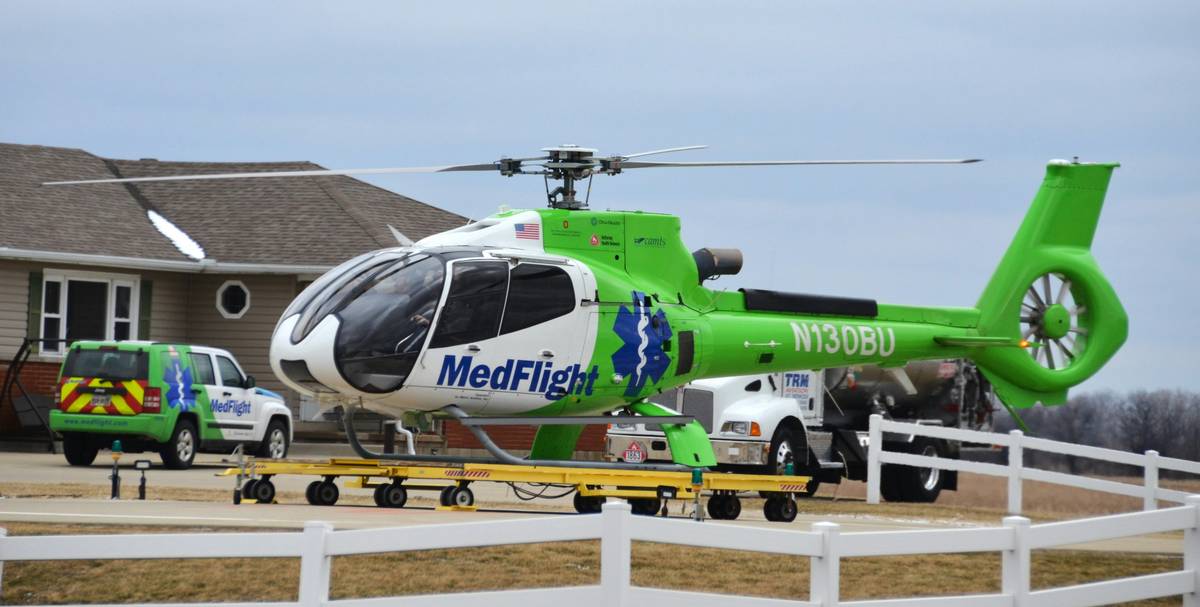
Image: An air ambulance ready for action—a critical part of medical repatriation logistics.
How to Plan Your Medical Repatriation Logistics
Optimist You: “This sounds easy! Just sign up for any old travel insurance!”
Grumpy You: “Not so fast, pal.”
Here’s a step-by-step breakdown to avoid disaster:
Step 1: Assess Your Current Coverage
If you have health insurance or even a premium credit card, check their terms carefully. Some plans cover basic repatriation services, but they may exclude things like airlifts or ICU-equipped flights. Pro tip: Don’t assume—read the fine print!
Step 2: Choose Comprehensive Travel Insurance
Basic travel insurance won’t cut it here. Go for policies labeled as “international medical evacuation” or “emergency assistance.” These often bundle repatriation logistics, ensuring seamless transitions between hospitals, airports, and beyond.
Step 3: Research Local Providers Beforehand
Know who’s handling medevac services in popular destinations before you leave. Companies like International SOS specialize in medical repatriation logistics, offering peace of mind for frequent travelers.
A Terrible Tip That Could Backfire
Skipping repatriation coverage altogether because “nothing bad will happen” is a recipe for regret. Remember, a single emergency airlift can cost upwards of $50,000. Yeah, let that sink in.
Top Tips to Master Medical Repatriation Insurance
Insurance doesn’t have to feel like navigating a minefield. Here’s how to make smart choices:
- Always Compare Quotes: Different providers offer wildly different rates. Use comparison tools like Squaremouth or InsureMyTrip to shop smarter.
- Read Reviews: Look for reviews focusing specifically on claims related to medical repatriation logistics.
- Check Exclusions: Does your policy exclude pre-existing conditions? What about adventure sports injuries? Clarify beforehand.
- Keep Documentation Handy: Carry digital copies of your policy details everywhere you go.
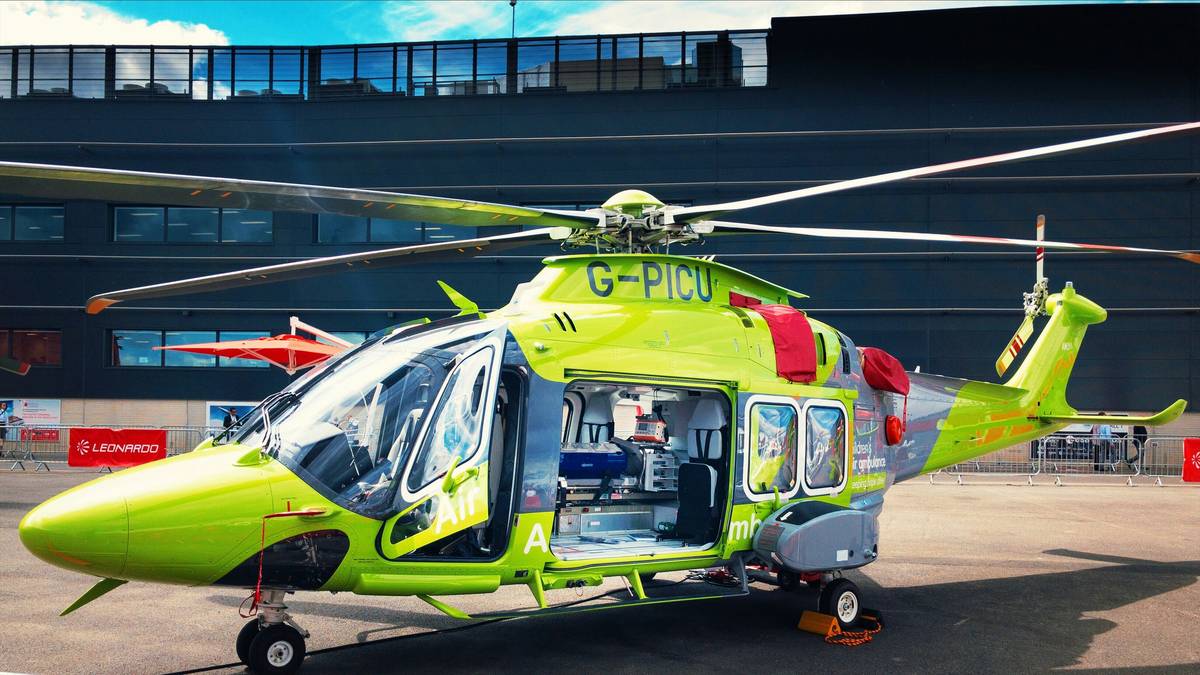
Image: Comparing travel insurance options helps identify the best fit for repatriation needs.
Real-Life Success Stories: When Logistics Saved the Day
“I once thought medical repatriation was overhyped—that is, until my dad fell ill in Thailand,” shares Sarah K., a freelance consultant. Her insurer arranged an entire repatriation operation within hours, complete with an air ambulance and onboard medical team. “Without them, I don’t know what we would’ve done.”
Procrastination almost cost Mark T., a solo traveler, dearly. After hurting his back skiing in Canada, he realized too late that his bare-bones insurance plan excluded airlifts. Luckily, his credit card had partial coverage. Moral of the story? Double-check everything before traveling.
Frequently Asked Questions About Medical Repatriation Logistics
What Exactly Is Medical Repatriation Logistics?
It refers to the process of organizing your safe return to your home country after a medical emergency abroad. This includes transportation via air ambulances, coordination with local authorities, and communication with your family.
Does My Credit Card Cover Repatriation Costs?
Sometimes—but rarely fully. Many premium cards offer trip interruption or emergency medical assistance perks, which may contribute towards repatriation expenses. Always review your cardholder agreement.
Are There Budget-Friendly Options Available?
While budget-friendly options exist, cheaper isn’t always better. Cutting corners can mean limited coverage when you need it most. Instead, prioritize value by choosing reputable insurers specializing in international emergencies.
Conclusion
Mastering medical repatriation logistics isn’t just practical—it’s essential for anyone venturing outside their home turf. From assessing your current coverage to selecting robust travel insurance, preparation is your best defense against costly surprises. And remember, never underestimate the power of reading those pesky terms and conditions!
Like carrying extra snacks on a long road trip, staying informed ensures smoother journeys. So next time someone asks, “What’s the deal with medical repatriation logistics?” you’ll be armed with answers—and maybe even a few memes.
Haiku Time:
Foreign ER blues,
Logistics bring me home,
Peace restored again.