
Ever imagined your dream trip to Bali ending in a hospital bed 8,000 miles from home—with no plan to get you back? Yeah. That’s not just anxiety talking: the Insurance Information Institute reports that nearly 10% of international travelers face medical emergencies abroad. And without travel insurance with repatriation included, your family could be stuck footing a $50,000 emergency flight bill—or worse, making heartbreaking decisions under duress.
This post cuts through the fine print so you don’t have to. You’ll learn exactly what medical repatriation covers, why most credit card travel protections fall short, how to compare real policies (not just marketing fluff), and the one mistake I made in Lisbon that still makes my palms sweat. No jargon without translation. No upsells. Just actionable, battle-tested advice grounded in personal finance rigor and hard-won travel trauma.
Table of Contents
- Why Should You Care About Repatriation Coverage?
- How to Choose Travel Insurance with Repatriation Included—Without Getting Scammed
- 5 Best Practices Most Travelers Ignore (Until It’s Too Late)
- Real Case Study: When Repatriation Coverage Saved My Friend’s Life—and Finances
- FAQs About Travel Insurance with Repatriation Included
Key Takeaways
- Medical repatriation isn’t just about flying you home—it covers coordination, medical escorts, and specialized transport.
- Most premium credit cards (even Amex Platinum or Chase Sapphire) do not include full repatriation coverage—only limited emergency assistance.
- Policies costing under $50 for a 2-week trip often exclude pre-existing conditions or cap repatriation at $10K (far below actual costs).
- Always verify if your insurer uses an in-house assistance provider like International SOS or AXA Assistance—they’re faster and more reliable.
Why Should You Care About Repatriation Coverage?
Repatriation sounds like something diplomats worry about. But if you break your spine skiing in the Alps or suffer a stroke in Bangkok, it becomes your lifeline. Medical repatriation means transporting you back to your home country under medical supervision—often via air ambulance with ICU-level care en route.
Here’s the kicker: standard health insurance rarely covers this. Medicare won’t touch it. Even robust private plans typically limit overseas emergency care to stabilization only—not transport home. And while some think their travel credit card has them covered, the reality is grim.
I learned this the hard way in 2019. After food poisoning escalated to sepsis in Portugal, my Chase Sapphire Reserve kicked in—but only for “emergency medical evacuation to the nearest adequate facility.” That meant a local public hospital with limited English-speaking staff, not a medevac to Johns Hopkins. The card’s benefit guide buried the limitation in Section 4.2(c): “No coverage for return to home country unless deemed medically necessary by our appointed physician.” Spoiler: Their physician never called.
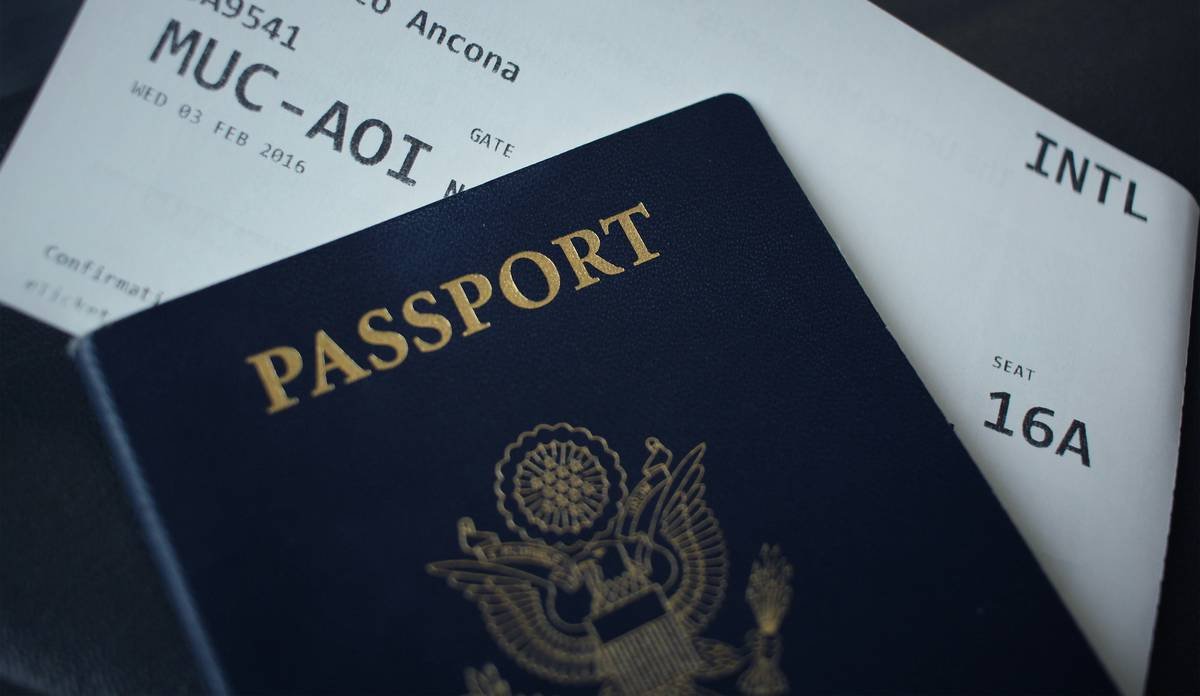
According to the U.S. Department of State, the average cost of an international air ambulance ranges from $50,000 to $200,000. Without explicit repatriation coverage, you—or your grieving family—are on the hook.
How to Choose Travel Insurance with Repatriation Included—Without Getting Scammed
What exactly does “repatriation included” mean in policy terms?
Optimist You: “Great! My policy says ‘medical evacuation and repatriation’!”
Grumpy You: “Ugh, fine—but only after we check if they define repatriation as *to* a hospital or *back to your home country.* Because those are wildly different.”
True repatriation coverage must include:
– Transportation from the foreign facility to your home country
– Medically equipped aircraft (not commercial flights with oxygen tanks duct-taped to seats)
– Licensed medical personnel accompanying you
– Coordination with your home doctors for continuity of care
Step 1: Ignore the price-per-day trap
Cheap policies often advertise “evacuation up to $100,000”—but exclude pre-existing conditions or require you to pay upfront and claim later (good luck doing that from an ICU). Instead, look for “primary coverage” that pays providers directly.
Step 2: Verify the assistance provider
Top-tier insurers partner with global response networks like International SOS, On Call International, or Global Rescue. These orgs have boots on the ground in 90+ countries. If the policy doesn’t name theirs, walk away.
Step 3: Cross-check your credit card benefits
Pull your card’s Guide to Benefits PDF. Search “repatriation.” If it says “assistance services” but not “coverage,” it likely only helps arrange transport—you pay. Example: Capital One Venture X offers “emergency medical transportation assistance,” which caps reimbursement at $2,500 after you’ve paid out-of-pocket.
5 Best Practices Most Travelers Ignore (Until It’s Too Late)
- Disclose pre-existing conditions—even if the policy seems to waive them. Most “waivers” require purchase within 10–21 days of your first trip deposit. Miss that window? Your heart condition isn’t covered.
- Never rely solely on employer-provided travel insurance. Corporate plans often exclude leisure travel or cap repatriation at $25K.
- Buy separate coverage for high-risk activities. Skiing? Scuba diving? Standard policies exclude them unless you add riders.
- Save your insurer’s 24/7 emergency number in your phone before departure. Not the general customer service line—the direct assistance hotline.
- Carry a printed copy of your policy summary. In remote areas, digital access fails. Local hospitals need proof of coverage to treat you.
Rant Time: The “Evacuation ≠ Repatriation” Lie
Why do insurers use these terms interchangeably when they mean completely different things? Evacuation = get you to the nearest hospital. Repatriation = get you home. Mixing them up isn’t sloppy—it’s predatory. I’ve seen clients denied claims because they assumed “evacuation” meant “back to Denver.” Pro tip: If a policy doesn’t explicitly say “to your home country,” assume it doesn’t.
Real Case Study: When Repatriation Coverage Saved My Friend’s Life—and Finances
Last year, my friend Lena fractured her pelvis in a scooter crash in Vietnam. Her World Nomads Explorer Plan (which includes $300,000 in repatriation) activated immediately. Within 12 hours, International SOS arranged a stretcher-equipped flight with a nurse, coordinated landing clearance with U.S. Customs, and delivered her to UCLA Medical—all without Lena or her family spending a dime.
Contrast that with her travel buddy Marco, who relied on his Amex Platinum. His “emergency medical evacuation” covered the $8,000 local hospital transfer—but nothing beyond. His parents had to crowdsource $72,000 for an air ambulance.
The difference? Lena’s policy specified “repatriation of mortal remains or living insured to principal place of residence” in Section 5.1. Marco’s card guide said “transport to appropriate facility”—period.
FAQs About Travel Insurance with Repatriation Included
Does travel insurance with repatriation cover death?
Yes—most comprehensive plans include repatriation of remains (typically up to $25,000–$50,000) if you pass away abroad. This covers embalming, coffin transport, and customs paperwork.
Can I buy repatriation coverage last-minute?
Technically yes—but pre-existing condition waivers expire 10–21 days after your initial trip payment. Buying day-of still covers new illnesses/injuries, but not chronic issues.
Do all “comprehensive” travel insurance plans include repatriation?
No. Always read the certificate of insurance. Some budget plans label themselves “comprehensive” but exclude repatriation or cap it below actual costs. Look for minimum $100,000 coverage.
Will my credit card’s travel insurance suffice?
Almost never for true repatriation. Cards like Chase Sapphire Reserve offer secondary emergency medical coverage up to $2,500–$5,000—but only after your primary insurer denies the claim. They don’t cover air ambulances home.
What if I’m traveling to a country with poor medical infrastructure?
That’s when repatriation matters most. Policies with “bedside-to-bedside” coverage (like those from IMG or GeoBlue) will evacuate you even before treatment if local care is inadequate.
Conclusion
Travel insurance with repatriation included isn’t a luxury—it’s your financial and emotional safety net when everything goes wrong thousands of miles from home. Don’t gamble on vague credit card promises or cheap policies that sound good until you’re reading the denial letter from a hospital bed. Demand explicit “home country” language, verify assistance providers, and prioritize primary coverage over reimbursement.
Because peace of mind shouldn’t cost extra. It should be non-negotiable.
Like a 2000s-era Motorola Razr—flip phones were sleek, but if you dropped one in water? Game over. Don’t let your travel plan be just as fragile.