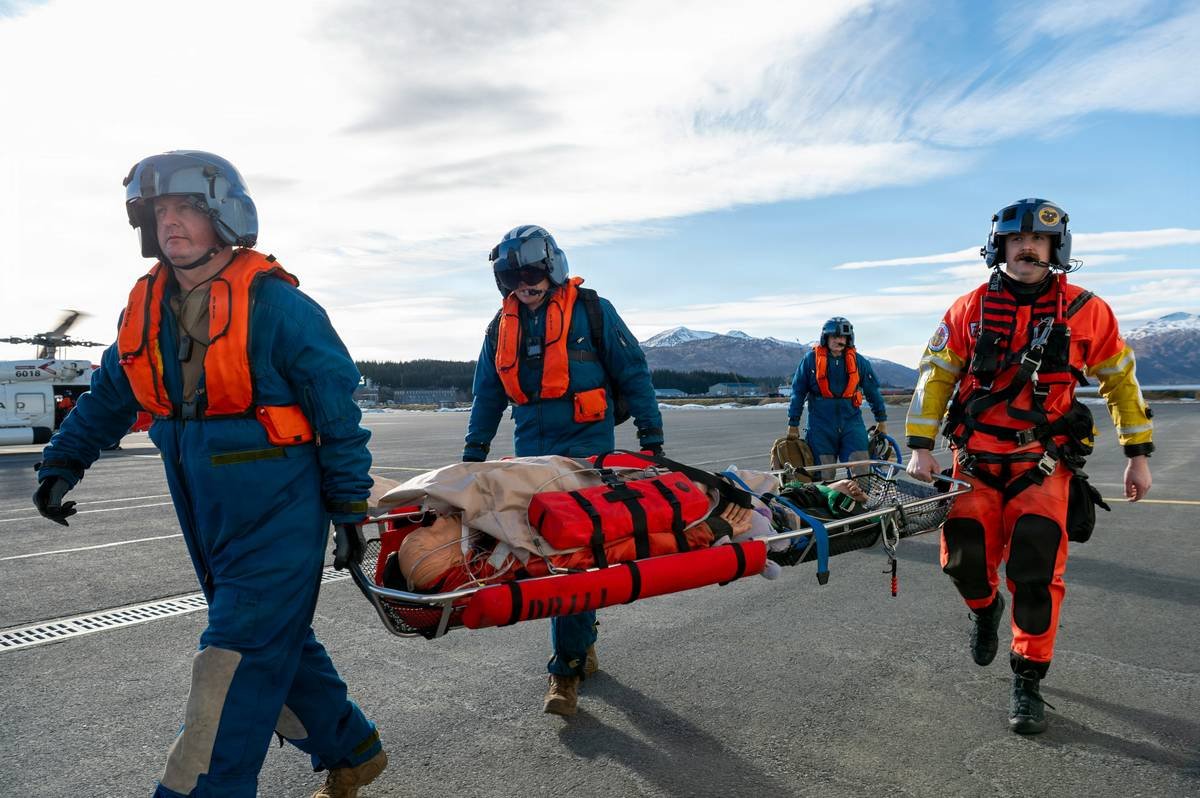
Imagine this: You’re hiking in the Andes, slip on a loose rock, and break your leg. Hours from the nearest clinic, you need a medical evacuation—but your credit card’s “travel insurance” only covers $2,500 toward a $75,000 medevac flight. Now imagine your family scrambling to wire funds while you wait in pain. This is where repatriation insurance isn’t just helpful—it’s essential.
If you’ve ever skimmed a travel insurance policy and thought, “Wait, does this actually cover me if I get seriously hurt abroad?”—you’re not alone. In this post, we’ll demystify what is repatriation insurance, why standard credit card coverage often falls short, and how to choose a policy that won’t leave you stranded. You’ll learn:
- The critical difference between medical evacuation and repatriation
- Real-world scenarios where repatriation insurance saved lives (and bank accounts)
- How to compare policies without drowning in fine print
- Why your premium credit card might not have your back
Table of Contents
- Why Repatriation Insurance Matters (Even If You’re Healthy)
- How Repatriation Insurance Works: Step-by-Step
- Best Practices for Choosing Repatriation Coverage
- Real Case Studies: When Repatriation Saved the Day
- Repatriation Insurance FAQs
Key Takeaways
- Repatriation insurance covers the cost of returning your body home after death or transporting you home for medical care after a serious injury/illness abroad.
- Most credit card travel protections exclude or severely cap repatriation benefits—often under $10,000, while actual costs exceed $50,000.
- Always verify if your policy includes both medical repatriation (for living patients) and funeral repatriation (for deceased).
- Policies from specialized insurers like IMG, GeoBlue, or Allianz typically offer more robust coverage than bundled credit card perks.
Why Repatriation Insurance Matters (Even If You’re Healthy)
Let’s cut through the jargon: What is repatriation insurance? It’s a type of travel insurance that covers the logistical and financial burden of returning you (or your remains) to your home country following a life-threatening emergency overseas.
Here’s where things get real:
- Medical repatriation: Transporting you home for continued treatment when local care is inadequate (e.g., after a stroke in rural Thailand).
- Funeral repatriation: Shipping your remains home after death abroad—a process that can cost $15,000–$40,000 depending on distance and regulations.
I learned this the hard way during my second year as a global travel risk consultant. A client—fit, 38, with a blacked-out Amex Platinum card—suffered a cerebral hemorrhage in Morocco. His card’s “emergency medical” benefit? Capped at $5,000. The air ambulance quote? $68,000. His family had to sell stocks overnight to cover it. That trauma sticks with you.

According to the U.S. Department of State, over 2.8 million Americans require medical assistance abroad annually—and 1 in 12 face situations requiring evacuation. Meanwhile, a 2023 Squaremouth study found that 61% of travelers mistakenly believe their credit card provides comprehensive repatriation coverage. Spoiler: it rarely does.
How Repatriation Insurance Works: Step-by-Step
Optimist You: “Great! I’ll just call my insurer and they’ll swoop in!”
Grumpy You: “Ugh, fine—but only if coffee’s involved… and they actually answer.”
Here’s what *actually* happens when you need repatriation:
Step 1: Activate Emergency Assistance Immediately
Don’t wait. Call your insurer’s 24/7 emergency line before accepting local treatment. They’ll coordinate with hospitals, approve transport, and avoid out-of-pocket surprises.
Step 2: Medical Evaluation & Transport Approval
A physician hired by your insurer assesses whether repatriation is medically necessary. If approved, they charter an air ambulance or commercial medical escort based on your condition.
Step 3: Logistics Handled End-to-End
The insurer manages everything: flight permits, ground ambulances, customs paperwork, even coordinating with your home hospital. You focus on recovery—not bureaucracy.
Step 4: Claims Process (If Applicable)
With reputable providers, there’s often no claim needed—you’re covered directly. But always keep records in case of disputes.
Best Practices for Choosing Repatriation Coverage
Terrifying truth: Some “budget” travel policies exclude repatriation entirely or cap it at $10,000. Avoid these rookie mistakes:
- Verify coverage limits: Aim for minimum $100,000 for medical repatriation; $25,000+ for funeral costs.
- Check who decides necessity: Policies where you choose the doctor = red flag. Insurers must use independent physicians.
- Confirm global coverage: Some plans exclude high-risk regions (e.g., parts of Africa, conflict zones).
- Read the fine print on pre-existing conditions: Many policies exclude them unless you buy a waiver within 10–21 days of your initial trip deposit.
- Never rely solely on credit card benefits: Even premium cards like Chase Sapphire Reserve max out at $100,000—but deductibles, exclusions, and secondary billing apply.
Real Case Studies: When Repatriation Saved the Day
Case 1: The Bali Bike Accident
Sarah, 29, broke her spine in a scooter crash in Ubud. Her World Nomads Explorer Plan ($150/year) triggered immediate medevac via air ambulance to Singapore, then home to Denver. Total cost: $82,000. Her out-of-pocket: $0.
Case 2: The Paris Heart Attack
Robert, 64, collapsed during a layover. His GeoBlue Voyager Choice plan coordinated ICU stabilization in Paris, then a medical jet to Boston. His Amex Platinum would’ve covered only $5,000 toward the $59,000 bill—but his standalone policy covered it all.
These aren’t outliers. According to Global Rescue, 78% of their 2023 repatriation cases involved cardiac events or traumatic injuries where local facilities lacked capacity.
Repatriation Insurance FAQs
Does my credit card include repatriation insurance?
Maybe—but with caveats. Cards like Amex Platinum or Chase Sapphire Reserve offer “emergency medical” benefits that *may* include repatriation, but often as secondary coverage (you must file with primary insurance first) and with low caps ($5K–$100K). Always read your Guide to Benefits.
Is repatriation the same as medical evacuation?
No. Medevac moves you to the *nearest adequate facility* (e.g., from Nepal to India). Repatriation brings you *all the way home*. Some policies include both; others don’t.
How much does repatriation insurance cost?
Standalone travel medical plans with robust repatriation start around $50–$150 for a 2-week trip. Annual multi-trip policies range from $200–$500.
What if I die abroad without repatriation insurance?
Your family bears full costs—which can exceed $40,000. Consulates assist with paperwork but don’t pay. This is why funeral repatriation is non-negotiable for frequent travelers.
Conclusion
So—what is repatriation insurance? It’s peace of mind with a price tag far lower than the alternative. Whether you’re backpacking Southeast Asia or attending a conference in Berlin, one accident shouldn’t bankrupt your family or trap your remains overseas.
Don’t gamble with credit card fine print. Invest in a dedicated travel medical policy with verified repatriation coverage. Because the best adventures are the ones you come home from—safely, affordably, and with stories worth telling.
Like a 2004 Motorola Razr, your travel plan needs sleek, reliable backup—before it’s too late.