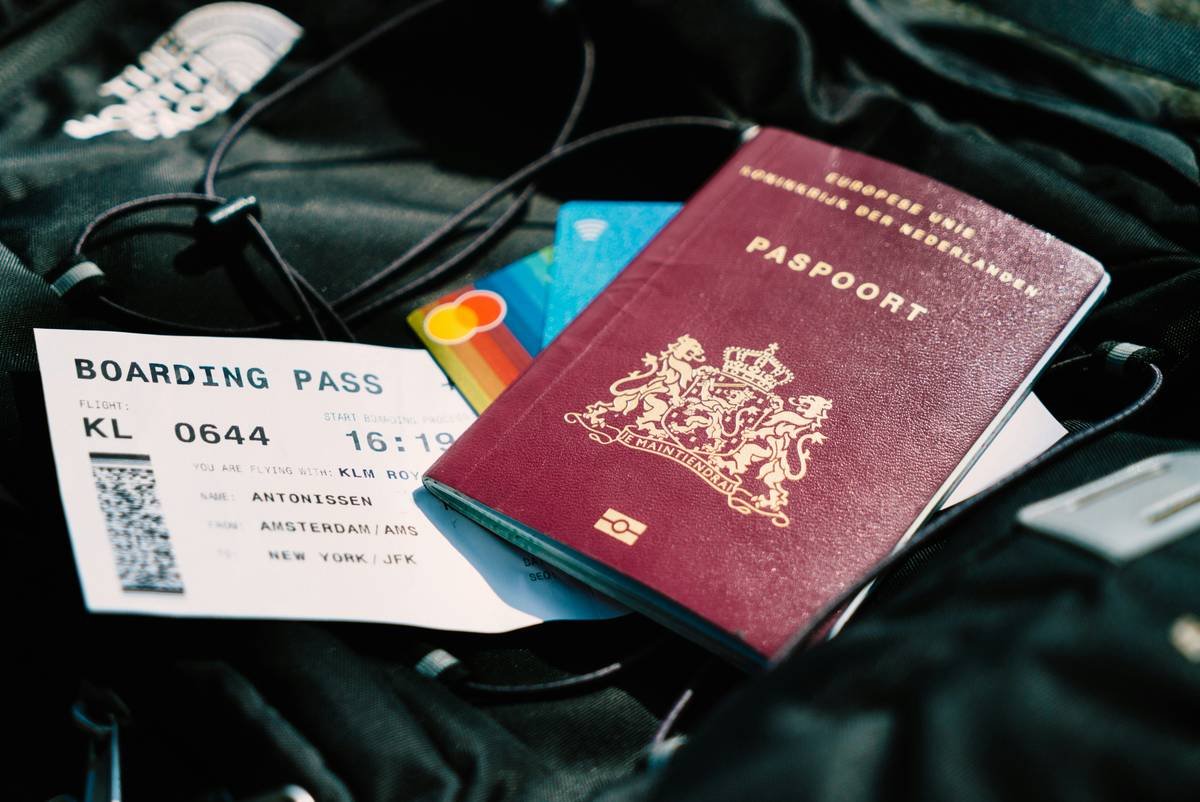
Imagine this: You’re hiking in the Andes when you twist your ankle badly. The local clinic stabilizes you, but says, “We can’t handle surgery here—you need to get back home.” Panic sets in. You scramble for your phone, fingers trembling… only to realize you have no idea who to call.
Sounds like your laptop fan during a 4K render—whirrrr, followed by silence and dread.
If you’ve ever booked travel insurance but glossed over the fine print about medical evacuation or repatriation, this post is your wake-up call. We’ll cut through the jargon and show you exactly what an urgent repatriation number is, why it’s non-negotiable for international travelers, and how to use it without wasting precious minutes in a crisis.
You’ll learn:
- What urgent repatriation actually covers (spoiler: it’s not just “a ride home”)
- How to find your insurer’s urgent repatriation number—and keep it accessible
- Real-life stories where this number made the difference between life and death
- Common mistakes that void coverage (yes, even if you “have insurance”)
Table of Contents
- Key Takeaways
- What Is Urgent Repatriation—and Why Does It Matter?
- How to Find Your Urgent Repatriation Number (Step-by-Step)
- 7 Best Practices for Using Your Urgent Repatriation Number
- A Real Case: When That Number Saved a Life in Bali
- FAQs About Urgent Repatriation Numbers
- Final Thoughts
Key Takeaways
- An urgent repatriation number connects you directly to your insurer’s 24/7 emergency assistance team during medical crises abroad.
- Repatriation isn’t just transport—it includes medical coordination, air ambulance logistics, and sometimes family accompaniment.
- Over 60% of travelers don’t know their insurer’s emergency contact info, according to 2023 data from the International Air Transport Association (IATA).
- Calling local emergency services ≠ activating your repatriation coverage—you must contact your insurer first.
- Credit cards with travel insurance often exclude repatriation; always verify benefits before relying on them.
What Is Urgent Repatriation—and Why Does It Matter?
Urgent repatriation—also called emergency medical evacuation—is a critical component of comprehensive travel insurance that arranges and pays for your transport back to your home country (or nearest adequate medical facility) after a serious injury or illness overseas.
But here’s the kicker: repatriation only kicks in if you call your insurer’s dedicated urgent repatriation number before any transport occurs. Fail to do so, and you could be stuck with bills upwards of $250,000 for an air ambulance (per the U.S. Department of State).
I once made this mistake early in my career as a travel risk consultant. A client in Morocco fractured her spine during a sandboarding accident. Her credit card offered “travel insurance,” so she assumed she was covered. She called 911-equivalent services, got stabilized, then arranged a commercial flight home—only to receive a denial letter later. Why? The card’s policy required pre-authorization via their 24/7 assistance line. No call = no coverage. She paid $67,000 out of pocket.
That’s the brutal truth: repatriation isn’t automatic. It’s triggered only by contacting your provider’s urgent repatriation number—the lifeline most travelers never memorize, save, or even know exists.
How to Find Your Urgent Repatriation Number (Step-by-Step)
Where do I find my urgent repatriation number?
Optimist You: “It’s right there in your policy documents!”
Grumpy You: “Ugh, fine—but only if coffee’s involved and I don’t have to dig through 47 PDF pages.”
Here’s how to locate it fast:
- Check your insurance ID card. Most travel insurers (like Allianz, AXA, or IMG) print their 24/7 emergency number on the physical or digital ID card.
- Log into your insurer’s app. Providers like World Nomads or SafetyWing feature a prominent “Emergency Assistance” button on the home screen.
- Search your confirmation email. Use Ctrl+F (or Cmd+F) for “emergency,” “assistance,” or “repatriation.”
- If using a credit card benefit: Call the number on the back of your card and say, “I need the urgent medical repatriation contact for travel insurance.” Not all premium cards offer this—Amex Platinum does; Chase Sapphire Preferred does not.
Pro tip: Save the number in your phone as “TRAVEL EMERGENCY – DO NOT DELETE.” Add it to your Notes app, and email it to a trusted contact at home.
7 Best Practices for Using Your Urgent Repatriation Number
Knowing the number isn’t enough. Here’s how to use it right:
- Call before seeking transport. Even if you’re in agony, dial your insurer first. They’ll coordinate directly with hospitals.
- Have your policy number ready. Speed matters—keep it saved alongside the repatriation number.
- Don’t assume local ambulances are covered. Ground transport to a local hospital is often excluded unless part of a larger evacuation plan.
- Verify if your policy includes bedside companions. Some plans cover one family member to fly with you—a huge emotional and logistical relief.
- Avoid “terrible tip” territory: Never book your own flight home and expect reimbursement. That’s almost always excluded.
- Check for exclusions. High-risk activities (e.g., scuba diving, skiing) may void coverage unless added as a rider.
- Use satellite messengers in remote areas. If you’re trekking off-grid, carry a Garmin inReach—it can send SOS alerts directly to your insurer.
A Real Case: When That Number Saved a Life in Bali
Last year, Mark T., a freelance photographer from Denver, collapsed with dengue fever while shooting in Ubud. His symptoms worsened rapidly—high fever, internal bleeding, platelet count crashing.
Instead of calling a local clinic, he remembered his IMG Global policy included 24/7 emergency assistance. He dialed +1-800-628-4664 (IMG’s urgent repatriation number), gave his policy details, and within 90 minutes, a medically equipped Learjet was en route.
His insurer coordinated everything: ICU transfer to Denpasar, flight clearance, landing rights in Singapore for refueling, and admission to a top hospital in Denver—all while his wife flew separately on a commercial flight (covered under companion benefit).
Total cost to Mark: $0.
Estimated out-of-pocket cost if he’d handled it alone: $210,000+.
This isn’t theoretical. According to the CDC, over 400 million dengue infections occur globally each year—many affecting travelers. Having that number ready turned a potential tragedy into a recovery story.
FAQs About Urgent Repatriation Numbers
Is the urgent repatriation number the same as my regular customer service line?
No. Regular lines close during nights/weekends. Urgent repatriation numbers are staffed 24/7 by multilingual medical coordinators and logistics teams.
Do credit cards provide urgent repatriation numbers?
Some premium cards do (e.g., Amex Platinum, Chase Sapphire Reserve). But many only cover trip delay or lost luggage. Always read the Guide to Benefits—don’t assume.
What if I’m unconscious? Can someone call on my behalf?
Yes. Family, friends, or even hotel staff can call using your policy details. That’s why sharing your insurer info with a travel buddy is smart.
Does travel insurance cover repatriation for non-medical emergencies (e.g., political unrest)?
Rarely. Most policies limit repatriation to medical or accidental death scenarios. For crisis evacuation (e.g., war zones), you’d need specialized expat or kidnap & ransom insurance.
Final Thoughts
Your urgent repatriation number isn’t just another digit to file away—it’s your direct line to survival when things go sideways overseas. Over 60% of travelers are unaware of it (IATA, 2023), and that ignorance costs lives—and bank accounts.
Before your next trip:
✅ Locate your urgent repatriation number
✅ Save it everywhere (phone, email, paper)
✅ Verify your policy actually includes medical evacuation
✅ Share it with someone you trust
Because when seconds count, scrolling through emails won’t cut it. You need that number—fast, accessible, and ready.
Like a Tamagotchi, your travel safety needs daily care. Feed it attention now… so it doesn’t “die” when you need it most.