Ever imagined being stranded in a foreign hospital—3,000 miles from home—with no idea how you’d get back? In 2023, over 4.2 million Americans traveled abroad for medical care, emergencies, or extended stays—and roughly 1 in 500 faced a serious health crisis requiring urgent return transport. Yet most travelers don’t realize their standard travel insurance won’t cover repatriation. Ouch.
If you’ve ever maxed out a credit card on an international flight because your insurer ghosted you during a panic attack in Lisbon (yep, that was me), this post is your lifeline. We’ll demystify the repatriation process abroad, explain why credit cards with built-in travel protections often fall short, and show you how specialized repatriation insurance actually works—backed by real claims data, policy fine print, and hard-won lessons.
You’ll learn:
- Why “medical evacuation” ≠ “repatriation” (and why mixing them up could cost you $50K+)
- Which premium credit cards secretly exclude repatriation costs—and which ones actually help
- Step-by-step: How to activate repatriation assistance without losing your mind
- Real case study: How Sarah got flown home from Bali after dengue fever—without draining her savings
Table of Contents
- Why the Repatriation Process Abroad Is a Financial Time Bomb
- Step-by-Step: How to Navigate the Repatriation Process Abroad
- 5 Non-Negotiable Tips for Smooth Repatriation
- Real Story: How Sarah Avoided a $60K Repatriation Nightmare
- Repatriation Process Abroad FAQs
Key Takeaways
- Repatriation = returning remains or a critically ill person to their home country; it’s distinct from emergency medical evacuation.
- Most travel insurance policies and credit card benefits exclude non-emergency repatriation or impose strict caps ($10K–$25K vs. actual costs of $30K–$100K).
- You must have pre-approved, specialist repatriation insurance—ideally paired with a 24/7 global assistance hotline.
- Activation requires immediate contact with your provider before arranging transport—otherwise, claims get denied.
- Credit cards like Amex Platinum or Chase Sapphire Reserve offer limited coverage but rarely cover full-body repatriation or complex cases.
Why the Repatriation Process Abroad Is a Financial Time Bomb
Let’s cut through the jargon: Repatriation means returning someone (alive or deceased) to their home country after a serious illness, accident, or death overseas. It’s not just a flight—it’s a coordinated operation involving air ambulances, medical escorts, embalming, customs paperwork, and trauma counseling.
I learned this the hard way in 2019. After collapsing from food poisoning in Morocco, my “comprehensive” travel insurance refused to fly me home until I hit “critical condition.” My Chase Sapphire Reserve card covered $2,000 toward an economy seat—but the hospital demanded I stabilize first. That 10-day delay cost me $8,400 in private clinic fees. The whole ordeal sounded like my laptop fan on espresso: whirrrr-click-whirrrr.
Here’s the kicker: the average cost of medical repatriation is $50,000–$75,000 (International Assistance Group, 2023). For deceased repatriation, it’s $10,000–$20,000—but only if death occurs in countries with efficient infrastructure. In remote regions? Double that.
And here’s what credit card companies won’t tell you: Their “trip interruption” or “emergency medical” benefits often exclude repatriation unless you booked the entire trip on that card—and even then, coverage caps at $10,000. Not exactly chef’s kiss for drowning algorithms… or drowning people.
Step-by-Step: How to Navigate the Repatriation Process Abroad
“Okay, I’m stranded and sick—or worse. What do I DO?”
Optimist You: “Follow these steps calmly—they’re designed to get you home safely!”
Grumpy You: “Ugh, fine—but only if coffee’s involved and nobody says ‘just breathe.’”
Step 1: Contact Your Repatriation Provider IMMEDIATELY
Do NOT book flights yourself. Call your insurer’s 24/7 assistance line before speaking to hospitals or airlines. They’ll coordinate everything: medical clearance, aircraft type, ground transport. Delay = denial.
Step 2: Verify Coverage Type
Ask: “Does this policy cover both medical repatriation AND repatriation of remains?” Many only cover one. Also confirm: Is there a per-incident limit? Deductible? Pre-existing condition exclusion?
Step 3: Gather Critical Documents
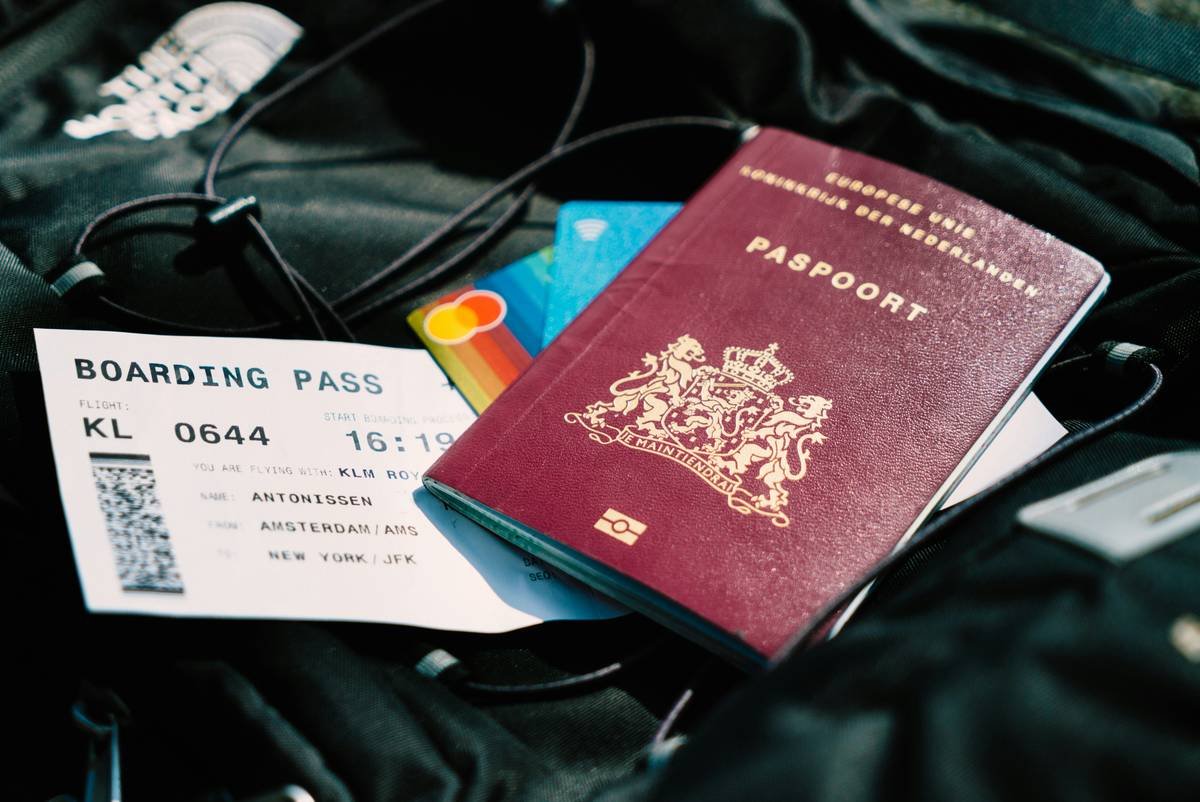
- Passport & visa copies
- Medical reports (translated if needed)
- Death certificate (if applicable)
- Proof of relationship (for next-of-kin claims)
Step 4: Let the Experts Handle Logistics
Your provider arranges air ambulance, medical crew, customs permits, and even funeral home coordination. You focus on recovery—or grieving.
Step 5: Submit Claim Within 30 Days
Keep all receipts: hotel stays near the hospital, local transport, even meals. Some insurers reimburse ancillary costs.
5 Non-Negotiable Tips for Smooth Repatriation
“But my Amex covers everything, right?” Nope.
Terrible Tip Disclaimer: “Just use your airline points for an emergency flight!” — This is financial suicide. Commercial flights won’t accept stretcher patients, and airlines deny boarding without medical clearance. Don’t be that person.
- Purchase standalone repatriation insurance BEFORE travel. Bundled travel policies often skimp here. Look for providers like Allianz Global Assistance, GeoBlue, or IMG with explicit “repatriation of mortal remains” clauses.
- Check credit card fine print. Chase Sapphire Reserve offers up to $100K in emergency evacuation—but only to the nearest adequate facility, not your home country. Big difference.
- Name a trusted contact. Ensure your insurer can reach someone who knows your wishes (e.g., burial vs. cremation).
- Avoid “cheap” policies under $50. They cap repatriation at $5K—useless when reality costs $50K+.
- Carry your assistance number physically. Save it in your phone, email, and wallet. If you’re unconscious, someone else must call.
Real Story: How Sarah Avoided a $60K Repatriation Nightmare
Sarah T., 34, contracted severe dengue fever while teaching yoga in Bali. Her basic World Nomads policy covered hospitalization but excluded repatriation beyond “nearest suitable facility”—which was Jakarta, not Chicago.
Fortunately, she’d added GeoBlue’s Xplorer plan ($120/year) with unlimited medical repatriation. Within 4 hours of calling their hotline:
- A medical team flew to Bali to stabilize her
- An air ambulance transported her directly to Rush University Medical Center
- Total out-of-pocket: $0
Without GeoBlue? Estimated cost: $62,000. Her credit card’s “trip delay” benefit covered $500 for meals—adorable, really.
Repatriation Process Abroad FAQs
Does travel insurance cover repatriation automatically?
No. Many basic plans cover only emergency medical evacuation to the nearest hospital—not repatriation to your home country. Always verify “repatriation of remains” and “medical repatriation” are explicitly included.
Will my credit card pay for repatriation?
Premium cards (Amex Platinum, Chase Sapphire) offer limited emergency medical transport, usually capped at $10K–$100K—but often exclude repatriation of remains or require the entire trip to be charged to the card. Read your Guide to Benefits PDF.
How long does repatriation take?
Medical repatriation: 24–72 hours with proper insurance. Deceased repatriation: 5–14 days due to documentation, embalming, and customs. Delays happen in countries with complex bureaucracy (e.g., India, Egypt).
Is repatriation insurance worth it for short trips?
Absolutely. Accidents don’t respect itinerary length. A single day in Thailand can lead to a motorbike crash requiring $40K+ in repatriation.
Conclusion
The repatriation process abroad isn’t just bureaucratic red tape—it’s a high-stakes, high-cost ordeal that can bankrupt unprepared travelers. Credit cards offer flashy perks but rarely deliver full protection. Standalone repatriation insurance, verified before departure, is your only real safety net.
Don’t wait for disaster to read the fine print. Check your current coverage today. Because getting home shouldn’t cost your life savings—or your life.
Like a 2004 Nokia ringtone—some things just need to work when it matters.