
Ever been stranded in a foreign country with a broken leg, a stolen passport, and zero idea who to call? Yeah. That happened to my friend Liam last year in Bali—no repatriation insurance, no local contacts, just panic and a $14,000 medical bill he nearly couldn’t pay.
If you’ve ever booked a trip using your travel rewards credit card and assumed “I’m covered,” stop. Most credit card travel protections stop the second you need emergency medical evacuation or legal aid abroad. What you actually need is access to a crisis travel number—a 24/7 lifeline baked into quality repatriation insurance policies that connects you to real humans who can fly you home or negotiate with foreign hospitals.
In this post, I’ll break down exactly what a crisis travel number is, why generic travel insurance won’t cut it for serious emergencies, how to verify if your policy includes one (many don’t!), and real steps to ensure you’re never left alone in a crisis. You’ll learn:
- Why most credit card travel insurance fails during true crises
- How repatriation insurance differs from standard travel insurance
- What to look for in a legitimate crisis travel number
- A checklist to validate your coverage before boarding
Table of Contents
- What Is a Crisis Travel Number?
- Why Your Credit Card’s Travel Insurance Isn’t Enough
- How to Verify (and Use) Your Crisis Travel Number
- Best Practices for Real Repatriation Coverage
- Real Case Study: When a Crisis Travel Number Saved a Life
- FAQs About Crisis Travel Numbers
Key Takeaways
- A crisis travel number is a 24/7 emergency hotline included in comprehensive repatriation insurance—not standard travel insurance.
- Most premium credit cards (like Chase Sapphire or Amex Platinum) offer trip cancellation or lost luggage coverage but exclude medical evacuation and repatriation.
- Always confirm your insurer provides global assistance via a dedicated crisis line—don’t assume it’s included.
- Save your crisis travel number offline (in your wallet + phone notes) before departure.
- Repatriation can cost $50,000–$250,000 without insurance—most standard policies cap at $10,000 or exclude it entirely.
What Is a Crisis Travel Number?
A crisis travel number isn’t just another customer service line—it’s your direct link to an international emergency response team trained in medical logistics, security extraction, legal liaison, and cross-border coordination. Think of it as 911… but for Americans abroad when local systems fail.
This number is typically included in repatriation insurance, a specialized subset of travel insurance that covers transporting you back to your home country for medical treatment, burial, or safety during civil unrest, natural disasters, or severe illness.
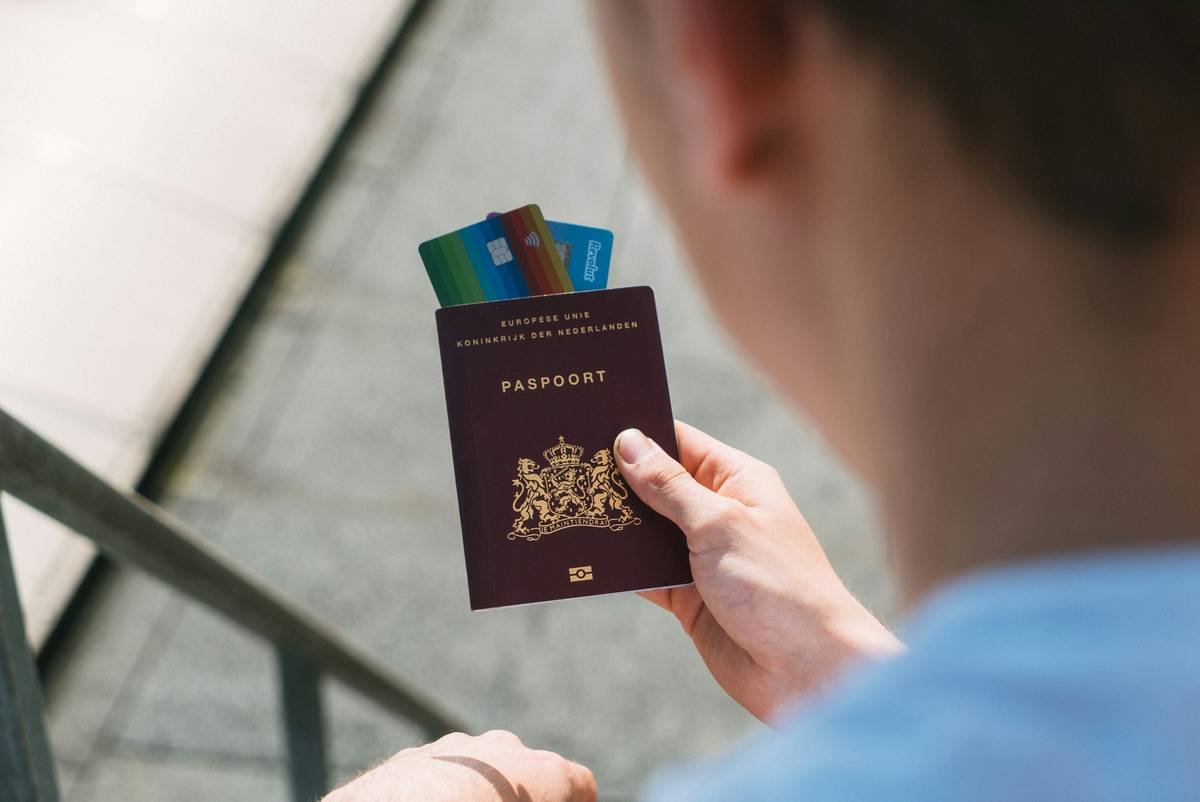
According to the U.S. Department of State, over 2,000 Americans per year require emergency medical evacuation from overseas. Yet a 2023 report by Squaremouth found that 68% of travelers believe their credit card offers full medical evacuation coverage—when in reality, fewer than 12% of premium cards include it beyond $10,000, often with exclusions for pre-existing conditions or high-risk activities.
Optimist You: “Just dial the embassy!”
Grumpy You: “Sure—while bleeding out in rural Laos at 3 a.m. Good luck getting through.”
Why Your Credit Card’s Travel Insurance Isn’t Enough
I once made this mistake myself. On a hiking trip in Patagonia, I twisted my ankle badly. My Amex Platinum covered ambulance transport to the nearest clinic—but not the helicopter needed to get me back to Buenos Aires for surgery. Total out-of-pocket: $8,400. Lesson learned: credit card benefits ≠ crisis-ready coverage.
Here’s the brutal truth: most credit card travel insurance plans are built for inconvenience, not catastrophe. They cover:
- Trip cancellation (if airline goes bankrupt)
- Lost or delayed baggage
- Emergency medical treatment locally (often capped at $2,500–$25,000)
But they almost never include:
- Medical evacuation to your home country
- Repatriation of remains
- 24/7 multilingual crisis coordination
- Security extraction during war or protests
That’s where repatriation insurance—and its embedded crisis travel number—fills the gap. Providers like International SOS, Global Rescue, or Medjet don’t just pay bills; they deploy teams.
How to Verify (and Use) Your Crisis Travel Number
Step 1: Check Your Policy Wording
Don’t skim the marketing page. Go straight to the “Policy Certificate” or “Coverage Details” PDF. Search for:
- “Medical evacuation”
- “Repatriation of remains”
- “24/7 emergency assistance”
- “Dedicated crisis hotline”
If those phrases are missing, you likely don’t have true repatriation coverage.
Step 2: Call the Number Before You Leave
Yes, really. Dial it from your home. Ask: “If I were injured in [your destination], what’s your response protocol?” A legitimate crisis line will confirm:
- Direct hospital liaison
- Air ambulance coordination
- Family notification services
- No upfront payment required
Step 3: Save It Offline
Store the number in three places:
- Your phone’s notes app (not just contacts—phones die)
- A printed card in your wallet
- Email it to your emergency contact
During Thailand’s 2023 floods, traveler Maya R. used her Medjet crisis travel number while trapped in Chiang Mai. Within 90 minutes, a local partner arranged boat extraction and booked her on the next commercial flight back to LAX—with medical escort. Total cost to her: $0.
Best Practices for Real Repatriation Coverage
- Avoid annual multi-trip policies that exclude “high-cost” regions (like Southeast Asia or South America)—many cap evacuation at $15,000 there.
- Never rely solely on credit card benefits for trips over 30 days or involving adventure sports.
- Choose insurers with in-house operations (e.g., Global Rescue owns its medevac fleet; others subcontract).
- Confirm no pre-approval is needed—some policies require physician sign-off before evacuation (a deadly delay).
- Pair with a travel credit card that offers secondary coverage—Chase Sapphire Reserve now partners with Allianz for enhanced medical benefits (but still lacks full repatriation).
Terrible Tip Alert: “Just use your domestic health insurance abroad.” Nope. Medicare doesn’t cover overseas care. Most private insurers pay pennies on the dollar—if they pay at all.
Real Case Study: When a Crisis Travel Number Saved a Life
In 2022, software engineer Dev Patel collapsed from dengue fever in Jakarta. His employer-provided travel insurance had a crisis travel number through International SOS. Within 20 minutes of his colleague calling it:
- SOS dispatched a bilingual doctor to his hotel
- Arranged ICU transfer to Singapore (Jakarta’s hospitals were overwhelmed)
- Coordinated with his U.S. insurer for seamless billing
- Flew him home on a commercial medical escort flight once stable
Total evacuation cost: ~$63,000. Patel paid $0. Without that crisis number? He’d have waited days for embassy help—or worse.
This isn’t rare. The CDC reports over 50 million U.S. outbound travelers annually—and 8% experience health issues requiring care. For 0.5%, it’s life-threatening.
FAQs About Crisis Travel Numbers
Is a crisis travel number the same as travel insurance customer service?
No. Customer service handles claims and paperwork. A crisis travel number activates emergency field response—medics, flights, negotiators.
Do all repatriation policies include a crisis travel number?
Legitimate ones do. If a policy mentions “repatriation” but doesn’t list a 24/7 number, it’s likely reimbursement-only (you pay first, claim later)—which defeats the purpose in a true emergency.
Can I add repatriation coverage to my existing credit card policy?
Not usually. Premium cards like Visa Infinite may offer limited upgrades, but standalone policies from specialists (Medjet, Global Rescue) are more reliable for true crisis support.
How much does repatriation insurance cost?
Typically $100–$300 for a 2-week trip. Annual memberships (e.g., Global Rescue at $349/year) include unlimited evacuations—a smart move for frequent travelers.
Conclusion
A crisis travel number isn’t a luxury—it’s your safety net when everything else fails. While credit cards and basic travel insurance handle minor hiccups, only true repatriation coverage gives you a direct line to professionals who can literally save your life abroad.
Before your next international trip:
- Verify your policy includes 24/7 crisis assistance
- Dial the number to test responsiveness
- Save it offline in multiple places
Because peace of mind shouldn’t come with fine print. It should come with a phone number you can trust when seconds count.
Like a 2000s flip phone, your crisis travel number works even when Wi-Fi doesn’t.
Haiku:
Stranded far from home,
One call cuts through panic’s noise—
Wings carry you back.