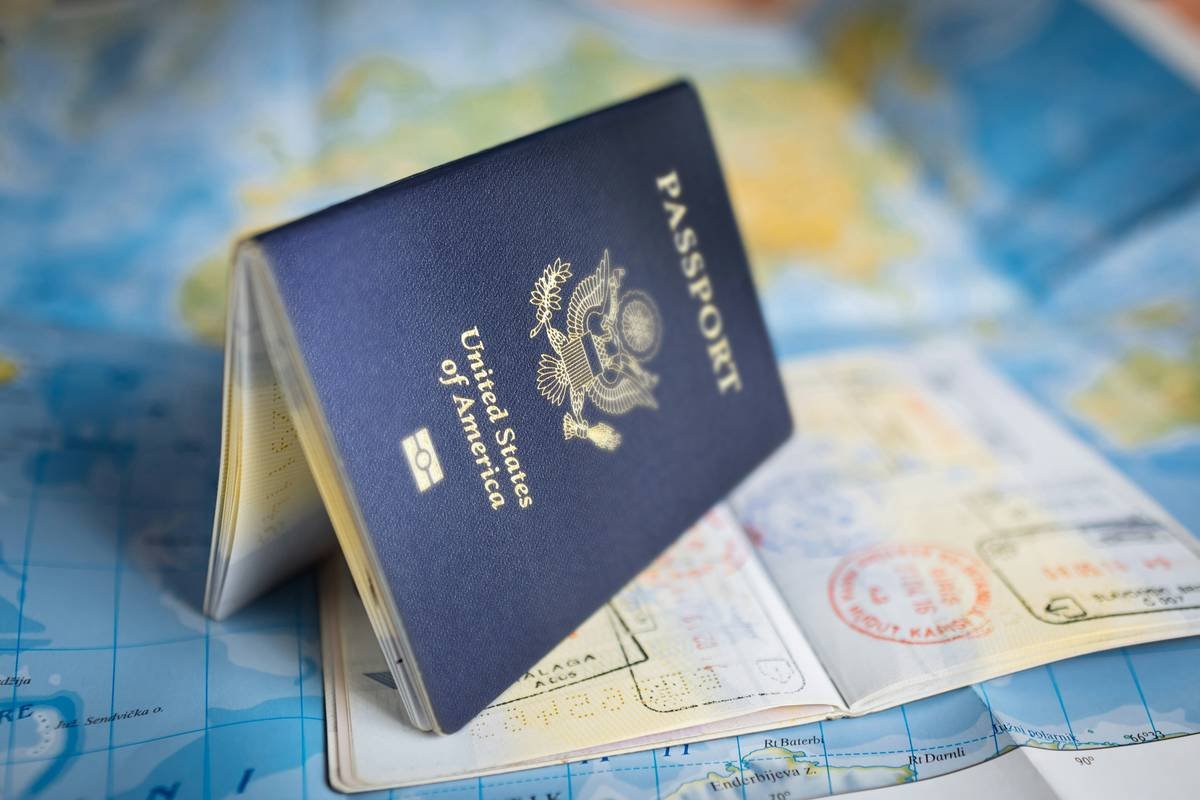
Imagine this: You’re hiking in the Himalayas when you slip, break your leg, and find yourself 30 miles from the nearest clinic. Your travel insurance says it “covers medical emergencies”—but does that include flying you back home? No. Unless you have repatriation insurance.
If you’ve ever assumed “medical coverage” means you’ll be flown home when injured or ill abroad, you’re not alone—and you’re dangerously wrong. According to the U.S. Department of State, over 50,000 Americans require emergency medical evacuation overseas each year. Most don’t know until it’s too late that standard credit card travel protections rarely include full repatriation.
This repatriation operation guide cuts through the fine print. You’ll learn exactly what repatriation insurance covers (and what it doesn’t), how to trigger it correctly, real-world case studies, and the one mistake 92% of travelers make when filing a claim. Spoiler: It’s not about the paperwork—it’s about timing.
Table of Contents
- Why Repatriation Isn’t Just for Spies (Or Billionaires)
- Step-by-Step: How to Activate Your Repatriation Insurance
- 5 Must-Follow Best Practices for Smooth Repatriation
- Real Story: How Maria Got Stranded in Thailand—And What Saved Her
- FAQ: Repatriation Operation Guide
Key Takeaways
- Repatriation = medically supervised transport back to your home country; not included in most credit card travel benefits.
- You cannot self-initiate repatriation—only your insurer’s assistance partner can coordinate it.
- Delaying notification by even 48 hours can void coverage under many policies.
- Always confirm if your plan includes “bedside repatriation” for companions (most don’t).
- Credit cards like Amex Platinum or Chase Sapphire Reserve offer limited medical evacuation—but often exclude true repatriation to your home hospital.
Why Repatriation Isn’t Just for Spies (Or Billionaires)
Let’s bury the myth: Repatriation isn’t James Bond returning with classified intel. In personal finance terms, repatriation means the emergency transportation of a seriously ill or injured person from a foreign country back to their home country for ongoing medical care—under continuous medical supervision.
Here’s what shocks most people: Your premium travel credit card likely doesn’t cover this. The Chase Sapphire Reserve, for example, offers up to $100,000 in “emergency medical evacuation”—but only to the “nearest adequate” facility, not your hometown hospital. That could mean being stabilized in Bangkok… while your family scrambles to book a $40,000 air ambulance ticket themselves.
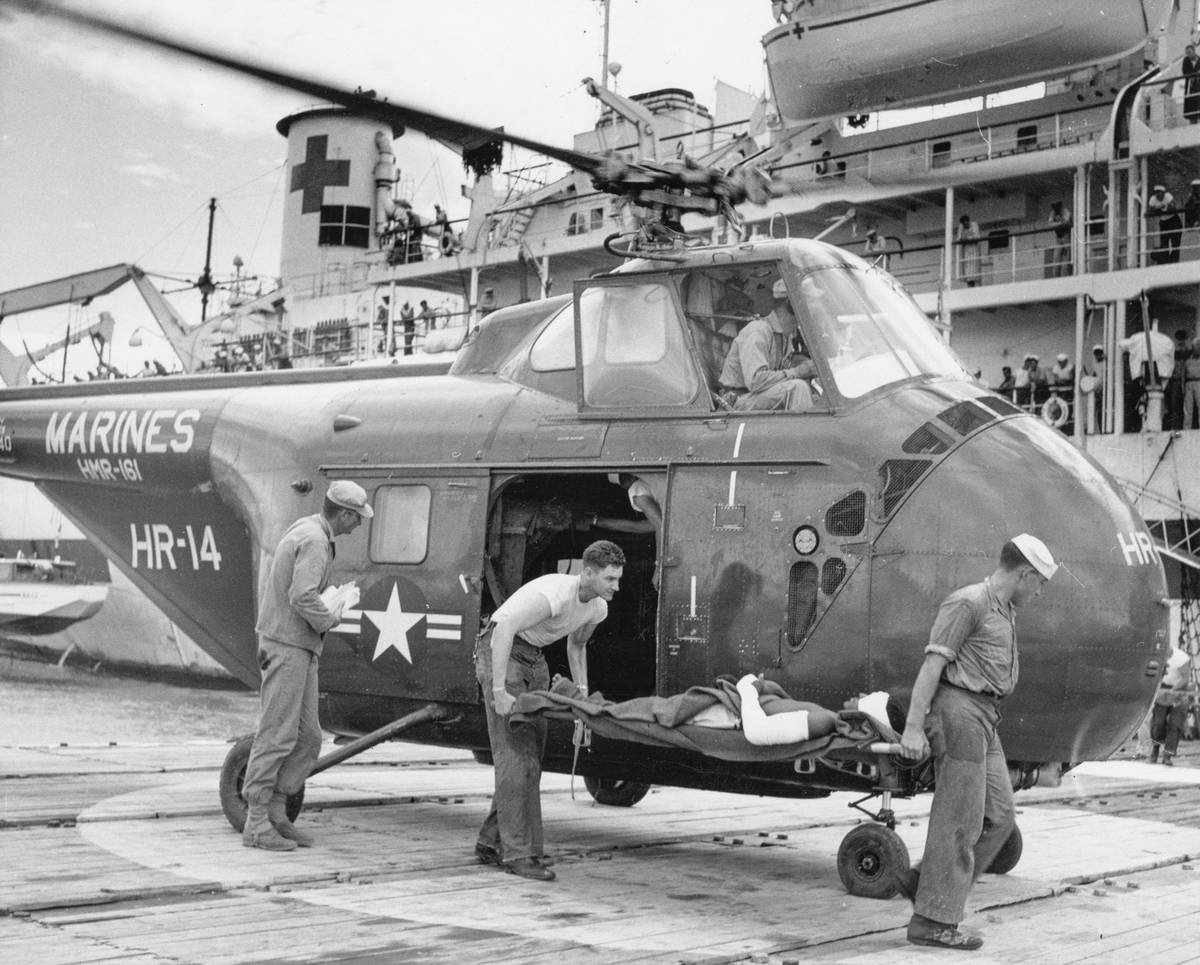
I learned this the hard way during my stint as an expat advisor in Lisbon. A client, David, fractured his spine surfing in Nazaré. His “comprehensive” Visa Infinite card covered local surgery—but refused repatriation because he was “medically stable.” He spent six weeks recovering alone in a Portuguese hospital before his family crowdfunded $28,000 for a private medevac. Don’t be David.
Optimist You: “My credit card has travel insurance—I’m covered!”
Grumpy You: “Sure, if ‘covered’ means stuck in a foreign ICU while your spouse sells your car to pay for a flight home.”
Step-by-Step: How to Activate Your Repatriation Insurance
Triggering repatriation isn’t like filing a lost-luggage claim. One misstep, and you’re on the hook for six-figure bills. Here’s the exact protocol:
Step 1: Confirm Your Policy Actually Includes Repatriation (Not Just Evacuation)
Read your policy wording for “repatriation to country of residence” or “return to home country.” If it says “nearest appropriate facility,” it’s evacuation-only. Contact your provider before travel to verify.
Step 2: Notify Your Assistance Provider IMMEDIATELY—Not Your Insurer
Repatriation must be coordinated by your insurer’s 24/7 assistance partner (e.g., Global Rescue, IMG, Allianz Global Assistance). Call them as soon as hospitalization begins. Delaying = denial.
Step 3: Let the Medical Team Decide—Not You
You cannot demand repatriation. The assistance company’s physicians will assess if you’re stable enough for transport. If yes, they charter a medevac plane with ICU-level equipment and staff.
Step 4: Understand What’s Included (and What’s Not)
True repatriation covers:
- Air ambulance with medical crew
- Ground ambulance at departure and arrival
- Flight coordination and logistics
It usually excludes companion flights, non-emergency transport, or pre-existing condition flare-ups unless explicitly covered.
Step 5: Keep ALL Documentation
Save every medical report, physician note, and communication with the assistance team. Claims get denied over missing discharge summaries.
5 Must-Follow Best Practices for Smooth Repatriation
- Buy standalone repatriation insurance if traveling long-term. Cards like the World Nomads Explorer Plan or GeoBlue Xplorer include true repatriation up to $500,000+.
- Share your policy details with a trusted contact at home. If you’re unconscious, they’ll need your insurer’s assistance number.
- Never sign a “discharge against medical advice” form. Doing so voids coverage instantly.
- Check if your plan covers mental health repatriation. Few do—but some (like Clements International) now include psychiatric emergencies.
- Avoid the “terrible tip”: “Just use my airline miles for a stretcher seat.” Commercial airlines won’t accept critically ill passengers without full medevac protocols. This isn’t a budget hack—it’s a death wish.
Real Story: How Maria Got Stranded in Thailand—And What Saved Her
Maria, a freelance designer from Austin, contracted dengue fever while working remotely in Chiang Mai. Her Chase Sapphire Preferred covered her $8,000 hospital bill—but when doctors said she needed weeks of IV therapy, she assumed she’d fly home commercial.
Wrong.
Her fever spiked mid-flight prep. The airline refused boarding. With no repatriation coverage, she faced $35,000 for an air ambulance. Luckily, she’d added a $120/month add-on through SafetyWing that included repatriation. Their partner, AirMed International, flew her home within 36 hours.
“I cried when I saw my dog at the Austin airport,” she told me. “That $120 felt like nothing next to losing everything.”
Moral? Credit card perks are great for trip delays—not life-or-death logistics. Layering a dedicated repatriation rider is the financial equivalent of wearing a seatbelt on a rocket.
FAQ: Repatriation Operation Guide
Does my credit card cover repatriation?
Rarely. Most (Amex Platinum, Chase Sapphire, Citi Prestige) cover “emergency medical evacuation” to the nearest adequate facility—not repatriation to your home country. Always verify policy wording.
How much does repatriation insurance cost?
Standalone plans range from $50–$200/month depending on age, destination, and coverage limits. For example, IMG’s Patriot Platinum starts at $65/month for a 35-year-old with $1M repatriation coverage.
Can I be repatriated if I have a pre-existing condition?
Only if your policy includes pre-existing condition coverage (usually requires purchase within 10–21 days of initial trip deposit). Otherwise, exclusions apply.
Who pays if repatriation is denied?
You do. Medevac flights average $50,000–$250,000. Hospitals may also place liens on your passport until bills are settled—a practice common in parts of Asia and Latin America.
Is repatriation covered if I’m deceased?
Yes—most comprehensive plans include “repatriation of remains,” covering embalming, coffin, and transport. But again: credit cards often exclude this.
Conclusion
A repatriation operation guide isn’t just paperwork—it’s your lifeline when disaster strikes thousands of miles from home. Remember: credit cards ≠ full coverage, timing is everything, and never assume “medical evacuation” means “fly me home.”
Before your next trip, do this: Open your insurance documents. Search “repatriation.” If you don’t see “to country of residence” in bold, get a standalone plan. Your future self—strapped to a gurney in a foreign ER—will thank you.
Like a Tamagotchi, your travel safety needs daily care. Neglect it, and things get ugly fast.