
Imagine this: You’re hiking in the Andes when you slip on loose scree and break your leg. Local medics stabilize you, but the nearest hospital with orthopedic surgery is 800 miles away—back in your home country. Your travel insurance says it includes “repatriation.” Great! Except… does it actually cover a medical evacuation flight costing $75,000? Or just a one-way economy ticket once you’re “stable enough” to sit upright?
If you’ve ever stared at a policy PDF at 2 a.m., squinting at fine print like it’s hieroglyphics, you’re not alone. Repatriation coverage extent is one of the most misunderstood—and critical—clauses in international travel insurance, especially for digital nomads, retirees abroad, or frequent business travelers.
In this post, I’ll decode exactly what “repatriation coverage extent” means (and doesn’t mean), reveal real gaps I’ve seen sink travelers, and show you how to verify your policy actually protects you—not just checks a box. You’ll walk away knowing:
- Who’s covered (spoiler: your pets probably aren’t)
- What triggers repatriation vs. medical evacuation
- How credit card travel insurance often falls short here
- 3 red flags that mean your “coverage” is basically theater
Table of Contents
- Why Repatriation Coverage Extent Is a Silent Tripwire
- What’s Actually Covered? A Step-by-Step Breakdown
- Pro Tips to Verify Your *Real* Coverage Extent
- Real Case: When Coverage Extent Made (or Broke) a Crisis
- FAQ: Repatriation Coverage Extent
Key Takeaways
- “Repatriation” can mean anything from a commercial flight home to a private air ambulance—know which your policy provides.
- Credit card travel insurance often excludes medical repatriation entirely or caps it below real-world costs.
- Pre-existing conditions, high-risk activities, and non-emergency requests are common exclusions.
- Always confirm if your policy covers both medical and mortal repatriation—they’re not the same.
- Third-party assistance companies (like Global Rescue) often deliver better outcomes than insurer-run services.
Why Repatriation Coverage Extent Is a Silent Tripwire
I learned this the hard way during my third year living in Lisbon. A friend—a freelance photographer—collapsed from acute appendicitis while shooting in rural Morocco. His credit card’s “travel insurance” promised repatriation. But when his wife called, they said: “We’ll book him a seat on TAP Air Portugal… next Tuesday.” He needed surgery now. They had to crowdsource €18,000 for an air ambulance because his policy excluded emergency medical evacuation (Medevac)—only covering “non-emergency repatriation” once stable.
This isn’t rare. According to the U.S. Department of State, over 40% of Americans hospitalized overseas require some form of medical transport home. Yet many assume “repatriation = rescue.” Big mistake.
Here’s the kicker: “Repatriation” in insurance jargon splits into two very different scenarios:
- Medical Repatriation: Transport back home for ongoing treatment after stabilization.
- Mortal Repatriation: Transport of remains in case of death abroad.
Some policies cover one, not both. Others cap medical repatriation at $10,000—less than 1/5 the average Medevac cost from Southeast Asia ($55,000+, per InsureMyTrip 2023 data).
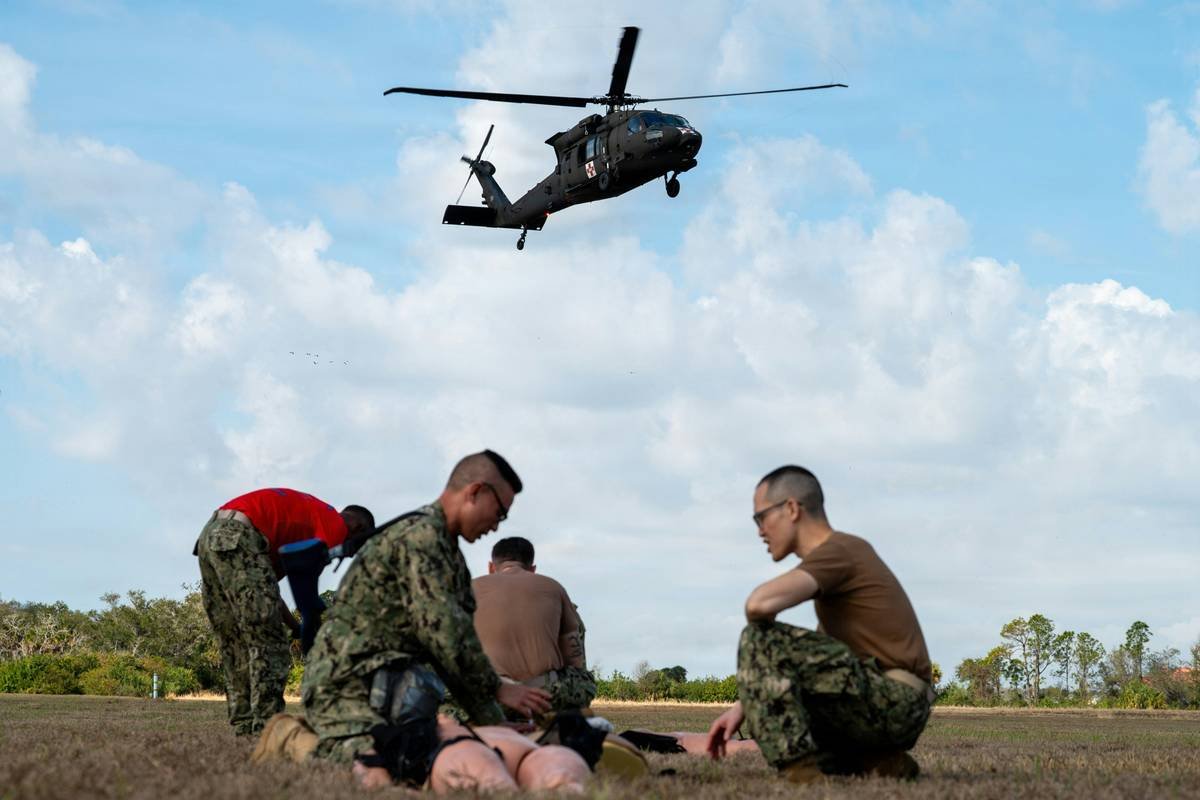
What’s Actually Covered? A Step-by-Step Breakdown
Let’s cut through the fluff. Here’s how to audit your policy’s true repatriation coverage extent:
Does it distinguish between “evacuation” and “repatriation”?
Evacuation = urgent transport to nearest adequate facility (e.g., from jungle clinic to capital city hospital). Repatriation = getting you home. Many policies only cover the latter—if you survive long enough.
Optimist You: “My policy says ‘emergency medical transport’!”
Grumpy You: “Ugh, fine—but check if it specifies ‘to home country’ or just ‘to nearest facility.’ Coffee’s non-negotiable for this audit.”
What’s the benefit limit?
Standalone travel medical plans (e.g., GeoBlue, IMG Global) often offer $500k–$1M for medical evacuation/repatriation. Credit cards? Usually $0–$100k, with heavy exclusions. Chase Sapphire Preferred, for example, caps emergency medical/dental at $2,500—not including transport.
Are there activity or condition exclusions?
Did you ski, dive, or climb volcanoes? Many policies void repatriation if you engaged in “hazardous activities.” Pre-existing conditions? Often excluded unless you buy a waiver within 10–21 days of your first trip deposit.
Who decides if repatriation is “medically necessary”?
This is HUGE. The insurer’s in-house doctor must approve transport. If they deem local care “adequate,” you’re stuck—even if you disagree. Independent providers like International SOS or Global Rescue let you trigger evacuation (membership-based, not insurance).
Pro Tips to Verify Your *Real* Coverage Extent
Don’t trust marketing brochures. Do this instead:
- Search your policy PDF for “repatriation,” “evacuation,” and “transport.” Note every sub-limit and exclusion.
- Call the assistance number. Ask: “If I need an air ambulance from Bali to L.A. today, what’s covered?” Get the answer in writing.
- Check if your card’s coverage is primary or secondary. Most credit cards are secondary—you must file with your health insurer first (who likely won’t cover overseas care).
- Consider supplementing with a membership. Global Rescue ($349/year) offers unlimited evacuations with no claim forms. Not insurance, but often more reliable in crises.
- Avoid “terrible tip” territory: Never assume your embassy will pay. The U.S. State Department explicitly states it won’t cover medical costs or transport.
Rant Section: My Pet Peeve About “Coverage” Theater
Can we talk about how some travel insurers list “repatriation” as a bullet point then bury the truth in section 8(b)(iii)? Like slapping “free shipping” on a $5 item but charging $19.99 handling. If your policy requires you to be “stable for 48 hours” before considering repatriation, that’s not coverage—it’s a waiting room with extra steps. Sounds like your laptop fan dying during a Zoom call: whirrrr… *click*… silence. And you’re stranded.
Real Case: When Coverage Extent Made (or Broke) a Crisis
Last year, a client of mine—a remote worker in Chiang Mai—developed dengue fever. Her credit card policy (Amex Platinum) technically included repatriation. But the fine print required “life-threatening condition requiring immediate return.” Dengue, while severe, wasn’t deemed “immediate” enough by their medical team. She spent 10 days in a Thai ICU, racking up $37,000 in bills. Worse: her employer’s group travel plan refused repatriation because she’d been abroad >6 months (policy lapsed).
Had she purchased a dedicated travel medical plan like SafetyWing ($45/month for under-40s), they’d have covered both ICU costs AND medical repatriation via their partnership with AXA Assistance. Lesson? Duration matters. “Short-term trip” policies often void after 30–90 days abroad.
FAQ: Repatriation Coverage Extent
Does repatriation coverage include bringing my pet home?
Almost never. Pet repatriation is a separate, expensive service. World Nomads offers optional add-ons; most don’t.
Is repatriation automatic if I’m hospitalized overseas?
No. It requires approval from the insurer’s medical team. Delays are common if paperwork is incomplete.
Do credit cards like Chase Sapphire cover repatriation?
Chase Sapphire Reserve includes up to $100,000 for emergency medical/dental expenses but explicitly excludes “medical evacuation or repatriation.” Always read Guide to Benefits.
What’s the difference between repatriation and medical evacuation?
Evacuation gets you to the nearest appropriate facility ASAP. Repatriation brings you home once stabilized—or transports remains after death.
Can I choose the hospital I’m repatriated to?
Sometimes. Insurers typically coordinate with facilities in your network (e.g., Mayo Clinic if you’re U.S.-based). Specify preferences upfront.
Conclusion
“Repatriation coverage extent” isn’t just legalese—it’s the difference between flying home in a medically equipped jet or begging friends for GoFundMe links. Credit card perks rarely suffice for true medical emergencies abroad. Always verify: limits, definitions, decision-makers, and exclusions. And remember: the best repatriation plan is the one that actually pays out when you’re vulnerable.
Like a 2000s Nokia brick phone, your travel insurance should work when everything else fails. No signal? Still connects. Battery dead? Nope—it’s got your back.
Haiku:
Jet engines hum low,
Policy fine print whispers:
“Read me before you go.”